
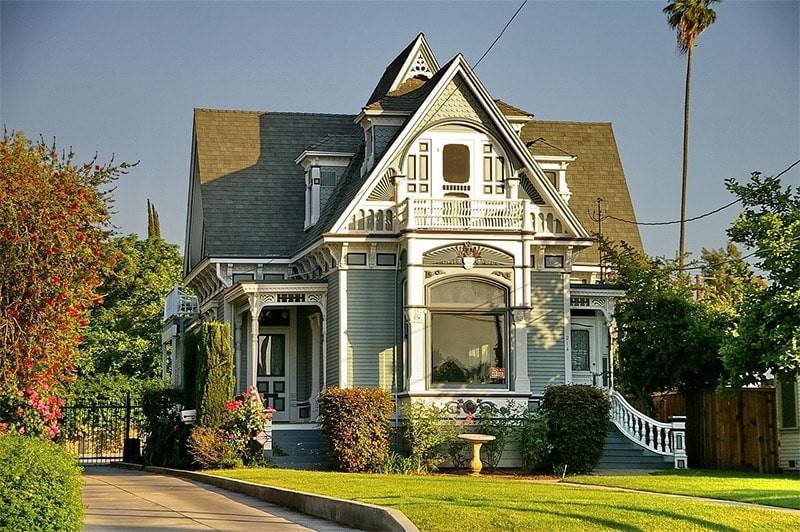
Surfaces evolve from wear, prior coats of paint, and environmental exposure. While that may give you a desirable finish on the newer construction, it might not produce the same results on older walls or woodwork. These nuances necessitate a more nuanced and bespoke approach. An awareness of how older materials react to their preparation and the paint will go a long way to mitigate problems and penetrate those defences for a lasting and uniform finish.
Table of Contents
Unique Building Materials
Historic properties showcase materials that modern construction rarely employs. Modern paints and primers often respond differently to these materials. Older plaster walls, for instance, may behave in a way that drywall doesn’t when it comes to absorbing moisture. In old houses, wood trim can be softer, having many layers of old paint.
This scenario implies that if you try to use the method applied to newer buildings, the results will most probably be disappointing. Experienced house painters in Upper Hutt often understand that older homes need a different approach because their surfaces can react differently to modern products.
Presence of Lead Paint
There is a possibility of lead-based paint in aged dwellings. Many paints used until the late twentieth century contained lead, a hazardous substance. If you remove or compromise such coatings, you must contain the area and use special removal methods to handle it. Regular sanding or scraping can emit unsafe particles in the air. Proper safety measures must be taken to protect workers and residents.
Surface Preparation Is Crucial
Houses built decades earlier sometimes require more than just cleaning and priming to prepare surfaces. They have features such as cracks, peeling, and uneven textures. Defects that are actually there but covered up in old coats of paint. Surface filling, surface finishing, and surface sealing work together to provide solid, long-lasting results. Missing these parts will cause the final project to chip, bubble, or reveal itself.
Matching Existing Finishes
It is important to make everything appear even when updating an older property. To maintain the character of the house, new paint should complement, not clash with, the existing finishes. This process of colour matching can be very difficult when trying to match pigments that have faded with time. To get the real look, speciality products and custom blends may be needed. Paint type creates architectural detractors
Moisture and Ventilation Issues
Older homes often have poor airflow, which leads to condensation. These conditions can result in issues such as the formation of mildew or mould, or the paint may not adhere as well. Selecting resistant paints and ensuring air exchange while using them is significant. Dealing with problems underneath — such as draughty windows or insufficient insulation — will help the new covering hold up even longer. Failing to consider these factors is a recipe for expensive repairs in the future.
Respecting Architectural Details
Older houses will typically have more ornate characteristics like decorative moulding, textured ceilings, or trim woodwork. These areas do require a degree of patience and caution when painting. It is easy to cause damage to fragile features with inappropriate tools or by being in a hurry. Using brushes with soft bristles and gentle strokes allows us to maintain the craftsmanship. Every aspect should be handled delicately so as not to affect the historical integrity of the residence.
Environmental and Health Considerations
Many older paints and materials may contain harmful substances if not handled properly. During restoration, debris must be disposed of properly, and, when possible, safer products selected. One of the advantages of using paint that is water-based is that it usually has lower fumes and is safer for places that are being occupied. Putting health at the forefront at every stage makes a safe space for everyone.
Selecting Appropriate Paint Types
Some paint can be better for older surfaces as well. Some paints, such as limewash or mineral-based paint, do not allow moisture to get trapped under the paint film or in the substrate. Some of the modern surface paints tend to seal moisture in, which causes blistering or decay. For the best results, it is advisable to speak to painting professionals who understand these distinctions.
Conclusion
Painting an older home requires more than simply applying a new coat. Each stage, from preparation to final touches, demands attention to the unique needs of the property. By recognising these distinct requirements, homeowners can protect their investments while honouring the history and character of their residences. A thoughtful approach ensures the beauty and integrity of the home for years to come.