
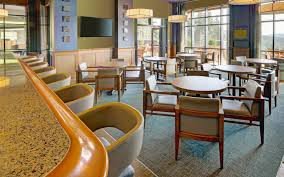
First impressions in a restaurant happen before anyone opens the menu. Guests assess the atmosphere the moment they step inside, and the furniture plays a bigger role in that judgment than most owners realize. Generic, mass-produced pieces tend to blend into the background or, worse, feel out of place. On the other hand, furnishings built to a restaurant’s exact vision can shape an intentional and polished atmosphere. For any dining establishment serious about standing out, purpose-built tables and seating are well worth exploring.
Table of Contents
1. It Reinforces Brand Identity
Every restaurant has a personality. A farm-to-table bistro feels different from a sleek cocktail lounge, and the furnishings should reflect that difference down to the smallest detail. Pieces designed to order let owners choose specific wood grains, upholstery textures, and finishes that echo their concept. A rustic barbecue joint might lean toward reclaimed timber, while an upscale Italian spot could favor rich walnut and tufted velvet.
That visual consistency matters more than people think. Guests absorb the full environment, not just the plate in front of them. Cohesive design across seating, tables, and bar areas builds recognition and keeps diners coming back.
2. It Maximizes Space Efficiency
No two restaurant floor plans look alike. Heritage buildings come with load-bearing columns, odd angles, and narrow passages that standard catalog pieces simply cannot accommodate. Owners end up cramming in ill-fitting tables or leaving usable corners completely empty.
Investing in custom restaurant furniture addresses this challenge at its root. Each piece gets designed around the actual room dimensions, so booths curve along rounded walls and tabletops tuck into tight alcoves. That precision converts otherwise wasted square footage into additional covers, improving revenue potential without sacrificing guest comfort.
3. It Improves Guest Comfort
How long a guest stays at the table has a direct effect on spending. Rigid chairs and poorly proportioned tables push people toward the exit sooner than they planned. Seating built to specification takes ergonomic factors into account, from cushion firmness and seat depth to lumbar support and armrest height.
Restaurants that get this right tend to see higher per-table averages. Relaxed diners order another glass of wine, stay for dessert, or simply enjoy the conversation a bit longer. Physical comfort is a quiet revenue driver that too many operators overlook.
4. It Offers Superior Durability
A busy dining room is hard on furniture. Chairs get dragged across floors, tables absorb spills nightly, and high guest turnover means constant physical stress. Budget pieces often rely on particle board, thin fasteners, and lightweight frames that start wobbling within months.
Bespoke alternatives use commercial-grade hardwoods, steel-reinforced joinery, and protective coatings chosen specifically for heavy daily use. A solidly constructed chair holds up through years of service without loosening at the joints. That kind of resilience cuts down on repair bills and keeps the dining room looking sharp season after season.
5. It Sets a Restaurant Apart from Competitors
Diners share their experiences online almost reflexively now. A visually striking interior earns organic exposure through photos, stories, and reviews posted across social platforms. Stock furnishings rarely spark that reaction because they show up in dozens of other venues across town.
Original, made-to-order designs give a restaurant something competitors cannot copy. A signature booth silhouette, an unusual tabletop edge, or a standout bar stool becomes part of the brand itself. Those details create moments guests want to capture and share, extending a restaurant’s visibility far beyond its physical location.
6. It Delivers Long-Term Cost Savings
Bespoke furnishings carry a higher price tag upfront; there is no getting around that. But the total cost picture shifts considerably over time. Lower-quality catalog pieces often need reupholstering, joint repair, or outright replacement within two to three years of steady use.
Well-constructed, purpose-built furniture stretches its useful life significantly. Fewer replacement cycles mean lower cumulative spending across a five- or ten-year window. Maintenance drops too, because better materials resist staining, scratching, and structural fatigue from the start. The initial investment pays for itself many times.
Conclusion
Choosing furnishings built to specification goes beyond aesthetics for restaurant owners. It is a strategic decision that touches brand consistency, spatial planning, guest satisfaction, product longevity, competitive differentiation, and overall cost management. Each of these six factors feeds directly into a stronger bottom line and a more memorable dining experience. For any establishment looking to operate smarter and leave a lasting impression, purpose-built pieces deliver returns that off-the-shelf alternatives simply cannot match.