
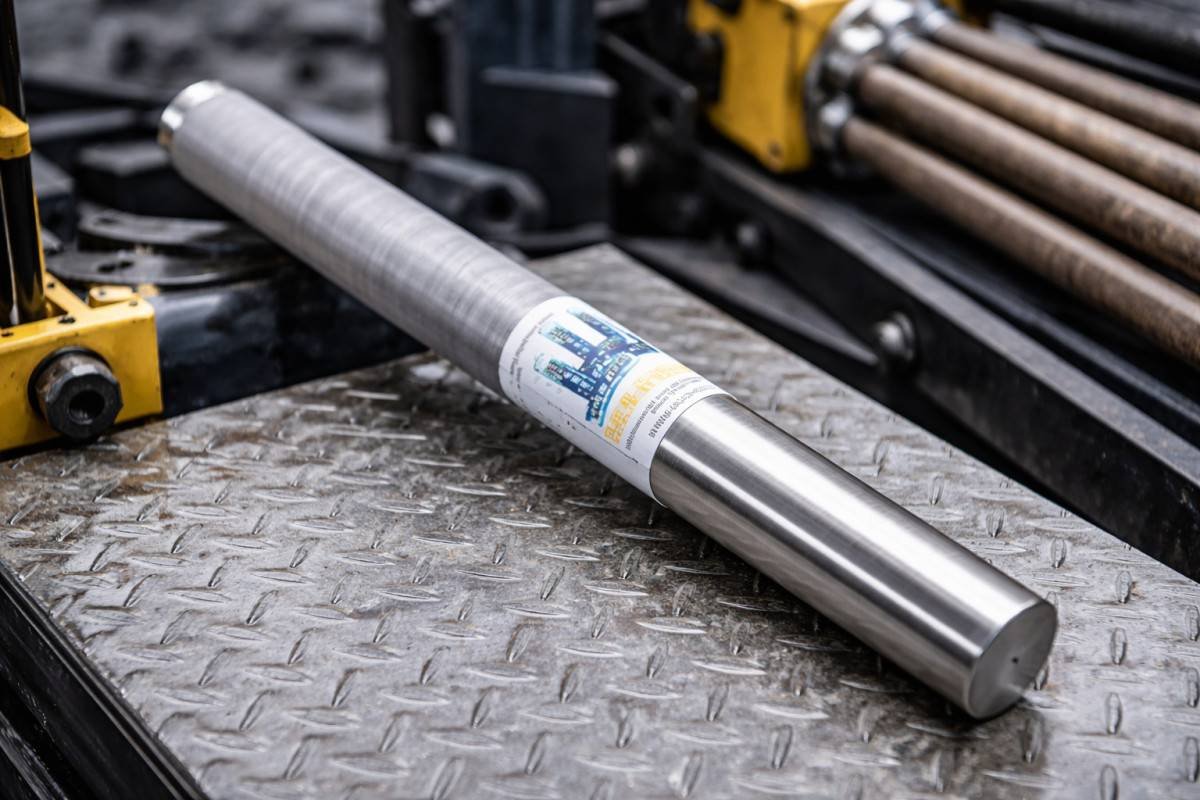
For many HDD contractors, the smart equipment decision is not always a brand-new one. In the right case, a refurbished DigiTrak transmitter can be a practical way to keep an existing locating system working, control replacement cost, and add a backup without buying a full new package.
That case is strongest when the transmitter matches the locator already in service and meets the demands of the work. DigiTrak transmitters are not interchangeable in any broad sense. Different models are built for different systems and different field conditions. They vary by compatibility, frequency, depth range, battery setup, temperature rating, and, in some cases, housing requirements.
That is why the word refurbished by itself is not enough. A refurbished transmitter is a smart investment only when the model is the right one, the unit has been properly inspected and tested, and the warranty is clear. When those pieces line up, a contractor may be able to restore or expand locating capability at a lower upfront cost while keeping the model-specific features the job requires.
This is a practical decision, not a theoretical one. In HDD, a transmitter is a working part of the locating system. If the crew can replace a failed or aging unit with a compatible refurbished transmitter, the value is simple: keep the system in service, avoid a larger purchase, and buy time for the rest of the fleet.
Table of Contents
Lower upfront cost can make refurbished a practical choice
The clearest reason to consider a refurbished DigiTrak transmitter is cost. A contractor may need to replace a failed transmitter or add a spare, but may not need to replace the entire locating system. In that situation, a refurbished unit can be a focused purchase instead of a full electronics upgrade.
That matters because DigiTrak support materials make clear that transmitter capability is tied to model and system compatibility. If a contractor already owns the correct compatible receiver and remote, the purchase can stay narrow. The goal is not to change platforms. The goal is to restore the missing part of the system with a transmitter that fits the existing setup.
This is especially useful for contractors who want to keep productive equipment in service. A crew may already rely on a locator that fits its work and does not need to be replaced simply because one transmitter is down. A refurbished unit can also make sense as backup inventory. Instead of waiting for a failure to stop a job, the contractor can keep a spare on hand for the systems already in the field.
The value here is practical. It is not based on hype or novelty. It comes from solving a specific problem at a lower upfront cost than buying new equipment across the board. That does not make every refurbished transmitter a smart buy. But it does explain why refurbished remains a serious option for contractors who want to protect budget and keep equipment working.
Compatibility comes first
A refurbished DigiTrak transmitter is only a smart investment if it is compatible with the locating system already in use. This is the first filter, and it should come before price, cosmetic condition, or availability.
DCI support materials show that compatibility is specific. F Series transmitters are used with F5 and F2 systems, while some F5 single-frequency transmitters are for use only with the F5 locating system. That means a contractor cannot treat all DigiTrak transmitters as if they do the same job. The system matters. The model matters. The configuration matters.
This is where many buying mistakes begin. A contractor sees a lower price, assumes the unit will work, and ends up with a transmitter that does not match the locator in service. That is not savings. That is more delay, more troubleshooting, and more cost.
A smart purchase starts with simple questions. What locating system is on the truck now? Which transmitter models are supported by that system? Does the refurbished unit match the receiver and remote already in use? If the answer is unclear, the contractor should stop there and confirm it before buying.
Refurbished can be a smart investment, but only when it fits the equipment fleet already in service. In HDD, fit matters more than labels. A compatible transmitter may extend the useful life of an existing system. A mismatched one only adds risk.
The right model also depends on the job
Compatibility with the locator is only part of the decision. The transmitter also has to fit the job.
DCI publishes different transmitter configurations with different operating characteristics. Depending on the model, transmitters may offer different frequencies, depth ranges, battery options, temperature limits, and special features such as pressure capability. There are long-range, extended long-range, short-range, cable, single-frequency, dual-frequency, and pressure-capable options. That range is one reason a refurbished transmitter can be a smart investment: it may allow a contractor to buy the exact type needed for the work instead of settling for whatever happens to be available new.
The important point is that the contractor should buy by application, not by price alone. A crew working in interference-heavy conditions may need a transmitter with the right frequency profile. A contractor drilling under hotter or tougher conditions may need a model with the right temperature rating. Another job may depend on the right battery setup or the right form factor for the drill head.
Refurbished works best when the purchase is precise. The contractor is not just buying “a sonde.” The contractor is buying a transmitter with specific published capabilities. If those capabilities match the work, refurbished can be a cost-conscious way to keep performance where it needs to be.
Specs still matter on a refurbished unit
A refurbished DigiTrak transmitter does not change the published specifications of that model. That is one of the strongest reasons refurbished can make sense. If the contractor buys the correct supported model in good condition, the unit keeps the model-specific features that matter in the field.
Those features are not minor. DCI support materials list transmitters by frequency, depth range, battery type, and maximum operating temperature. F Series and F5 models, for example, are published with specific configurations and limits. Some F5 transmitter configurations are listed with a 65 ft depth range. Some transmitter models are rated up to 180°F, while others are rated up to 220°F. Battery options vary as well and may include alkaline, SuperCell, SAFT cells, or cable power depending on the model.
That gives contractors a clear way to judge value. A refurbished transmitter may cost less than a new one, but the smarter reason to buy it is that it can still deliver the same model-based operating profile the crew needs. If the work calls for a certain temperature rating, depth range, or battery setup, the buyer can shop for that exact model instead of treating all transmitters as equal.
This is also why the wrong refurbished transmitter is no bargain. If it lacks the frequency profile, depth capability, or battery setup the job requires, the lower purchase price does not help much. In HDD, specs are not side notes. They are part of whether the tool will do the work.
Frequency, battery, and housing details deserve close attention
Some of the most important buying details are easy to overlook because they sound technical. In practice, they shape field performance.
Frequency is one example. DCI states that F Series transmitters are available in two unique frequencies for increased interference reduction. DCI also describes Falcon F2+ features such as optimization, quick scan and pair, and preselected quieter bands. For contractors working around signal interference, that makes frequency choice a real buying criterion, not a line item.
Battery setup matters too. Different transmitter models use different batteries, and some Falcon F2+ V2 transmitter features require a Lithium Ion battery for high power mode. A buyer should know what battery the model requires, what that means for runtime and operating mode, and whether the current setup supports it.
Housing fit can matter as much as electronics. DCI notes that certain extended long-range transmitters require a SuperCell lithium battery and a housing with 13-inch slots starting 2 inches from the front or index cap for optimal signal emission and battery life. DCI also notes that some F5 designs remain compatible with existing 15-inch housings, though tooling adapters may differ.
These details explain why a refurbished purchase should be deliberate. The best buy is not just a working transmitter. It is a working transmitter that fits the locator, the housing, the battery setup, and the field conditions.
Refurbished can help protect uptime
A transmitter problem can do more than create a repair issue. It can interrupt the work. That is why a refurbished DigiTrak transmitter can be a smart investment as backup inventory, not just as a replacement for a failed unit.
DCI care and maintenance materials show why backup planning matters. Transmitters are exposed to battery contact issues, damaged O-rings, corrosion, abrasion, storage problems when batteries are left inside, and the risk of water intrusion if seals are compromised. DCI also advises regular inspection, careful cleaning, proper storage, and removal of batteries for shipping and storage. These are normal field realities, and they show that transmitters live hard working lives.
For a contractor, the practical lesson is clear. A ready spare can help reduce the chance that one transmitter problem turns into a stopped job. This matters even more for fleets built around existing locator systems that the company still uses every day. A refurbished transmitter can help fill a gap in that fleet or provide a backup while another unit is being repaired.
This does not mean every contractor needs a shelf full of spare electronics. It means a refurbished transmitter can serve a real business purpose beyond saving money on a single purchase. It can help support continuity in the field. For many contractors, that is where the value becomes easiest to see.
Testing, condition, and warranty decide whether the investment is smart
Not every refurbished transmitter offers the same level of confidence. The word refurbished can cover very different realities, and that is why contractors should judge the unit by proof, not by label.
Condition matters first. DCI’s maintenance guidance points to the areas that deserve attention: battery contacts, threads, O-rings, seals, body wear, corrosion, and signs of water intrusion or abrasive damage. These are not cosmetic issues. They affect whether the transmitter is ready for field use.
Testing matters just as much. A contractor should know how the unit was checked and whether the seller can explain its condition and readiness. The strongest case for refurbished is not simply that the unit powers on. It is that the unit has been evaluated in a way that supports reliable service.
Warranty is the final test because it shows how much risk remains after the sale. DCI states that its Factory-Tested Pre-Owned products carry a 30-day warranty, while DCI service and repair work carries 90 days from the date of repair. Independent sellers often advertise longer warranties, such as 100, 150, or 180 days, but those terms are seller-specific. That makes warranty comparison part of the buying decision.
A smart refurbished purchase is one where the model is right, the condition is clear, the testing is credible, and the warranty is real. Without those pieces, low price alone is not enough.
Refurbished is often smartest when the goal is fit, not novelty
The strongest case for a refurbished DigiTrak transmitter is straightforward. It allows a contractor to keep an existing locating system in service, replace a failed unit, or add a backup while keeping the model-specific features the job requires.
That is why refurbished often makes the most sense for fleets already built around DigiTrak equipment. A contractor may not want or need to replace an entire locating platform just because one transmitter failed. If the rest of the system still fits the company’s work, a compatible refurbished transmitter can help extend the useful life of that equipment.
There is also a practical environmental benefit in the background. EPA materials note that used electronics have value that can be reused, refurbished, or recycled instead of being discarded. For most HDD contractors, that will not be the first reason to buy refurbished, and it should not be oversold. Still, it is a legitimate secondary benefit of putting usable electronics back to work.
In the end, the smart investment is the one that fits the system, the job, and the budget. A refurbished DigiTrak transmitter can meet that standard when it is compatible, technically suitable, properly evaluated, and backed by clear warranty terms. That is not a compromise purchase. It is a practical one.
What to check before buying a refurbished DigiTrak transmitter
| What to check | Why it matters |
| Locator compatibility | The transmitter must match the DigiTrak system already in use. |
| Frequency profile | Frequency choice can affect performance in interference-heavy conditions. |
| Depth capability | The model should meet the depth demands of the work. |
| Temperature rating | Some models are rated for higher heat than others. |
| Battery type | Battery requirements affect setup, operating mode, and use in the field. |
| Housing fit | Some models require specific housing configurations for best performance. |
| Physical condition | Contacts, threads, O-rings, and body condition affect reliability. |
| Testing process | The seller should be able to explain how the unit was checked. |
| Warranty terms | Coverage length and claim terms affect the buyer’s risk. |
| Backup role | A refurbished unit may be most valuable as a ready spare. |
Final word
A refurbished DigiTrak transmitter can be a smart investment when it helps a contractor keep a working locating system in service without paying for a full new setup.
The key is to buy carefully. Compatibility comes first. After that, the buyer should look at frequency, depth range, battery type, temperature rating, housing fit, condition, testing, and warranty.
When those pieces line up, refurbished can be a sound choice for HDD contractors who want to control cost, support uptime, and buy the transmitter that fits the work.