
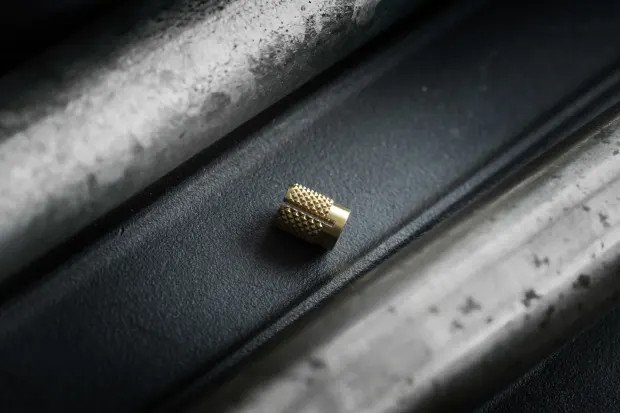
Threaded inserts create durable internal threads where base material alone may fail after repeated fastening. They help sheet metal, wood parts, and plastic housings accept screws without early wear. Sound selection depends on load, wall thickness, access, and service frequency. Each substrate responds differently to torque, compression, and vibration. Clear comparisons help teams choose a style that protects joints, supports maintenance, and lowers failure rates over time.
Table of Contents
Why Inserts Matter
Thin sheet, soft timber, and molded polymers often lose holding strength after repeated tightening. A well-matched insert adds reusable threads and spreads force more evenly across the joint. In blind-side work, threaded rivet nuts create a secure attachment point without rear access, helping repair crews, enclosure builders, and equipment teams maintain serviceable assemblies in confined spaces. That extra flexibility can shorten installation time while improving retention in compact builds.
Core Type Groups
Most inserts fall into three broad groups, press-in, screw-in, and expansion styles. Press-in parts rely on interference and usually suit firmer substrates. Screw-in options grip softer material through external threads that cut or displace surrounding stock. Expansion versions flare or collapse during installation and hold by backside clamping. Each method changes pull-out strength, spin resistance, and setting speed, so selection should follow the joint’s actual demands.
Metal Basics
Metal assemblies often use inserts where thin sections cannot support tapped threads for long. Blind styles work well when only one face is reachable during assembly. Round bodies fit standard holes and simplify preparation for routine work. Hex bodies resist rotation better under higher tightening force or vibration. Flange size also matters, because larger heads spread pressure wider, while smaller profiles suit tight-clearance surfaces and cleaner finished appearances.
Picking for Steel and Aluminum
Steel panels usually tolerate higher clamp loads, so strength and anti-rotation features deserve close review. Aluminum parts need similar checks, yet softer walls may distort earlier under setting pressure. Grip range must match material thickness for proper collapse and consistent seating. An insert that is too short may not set fully. One that is too long can buckle unevenly, weakening the joint during later tightening.
Wood Selection
Wood behaves differently because fibers compress, split, and swell with seasonal moisture shifts. Screw-in inserts are common for hardwood and softwood furniture joints that need repeated assembly. External threads should bite cleanly without removing excess stock from the surrounding area. Coarser geometry often helps in softer species with lower density. In dense timber, pilot hole accuracy matters more, because straight entry reduces cracking risk and preserves alignment.
Plastic Considerations
Plastic housings often need inserts because molded threads wear quickly during repeated service. Heat-set types are common in thermoplastics, since softened resin flows around knurls and locks firmly after cooling. Press-in versions may suit tougher grades during molding or later assembly. Brittleness, creep, and service temperature all influence long-term retention. A strong initial fit means little if gradual deformation loosens the connection after months of use.
Load and Torque
Insert choice should reflect both pull-out and spin-out risk within the finished joint. Pull-out strength matters when force acts straight away from the surface during service. Spin resistance matters when tightening force rises during assembly, adjustment, or repair. Vibration adds another challenge, because repeated movement can loosen weak fits over time. Many teams compare clamp load, hole size, and wall thickness together before choosing a final specification.
Installation Checks
Correct installation affects performance as much as part geometry or material choice. Hole size must match the manufacturer’s guidance closely for reliable seating and thread performance. Oversized openings invite rotation and weak clamping during service. Undersized holes can distort the body while setting, which harms alignment. Tool choice also shapes consistency, because hand setters suit low volume, while powered equipment helps larger runs maintain repeatable pull length and seating pressure.
Common Mistakes
Selection errors usually trace back to four issues, poor material pairing, incorrect grip range, weak hole preparation, or unrealistic load assumptions. Corrosion risk also deserves attention, because mixed metals can shorten service life in damp settings. In wood, overdriving may strip fibers around the outer thread. In plastic, excessive installation heat can deform nearby features. Small oversights often lead to expensive repairs, loose joints, or early part replacement.
Conclusion
Choosing the right threaded insert depends on how each material handles force, wear, and repeated service. Metal often benefits from blind clamping strength, wood needs fiber-friendly external threads, and plastic usually requires geometry that limits creep. Teams that review hole size, grip range, torque, and environmental exposure make better fastening decisions. Careful planning produces joints that stay secure, remain serviceable, and support reliable performance across demanding applications.