
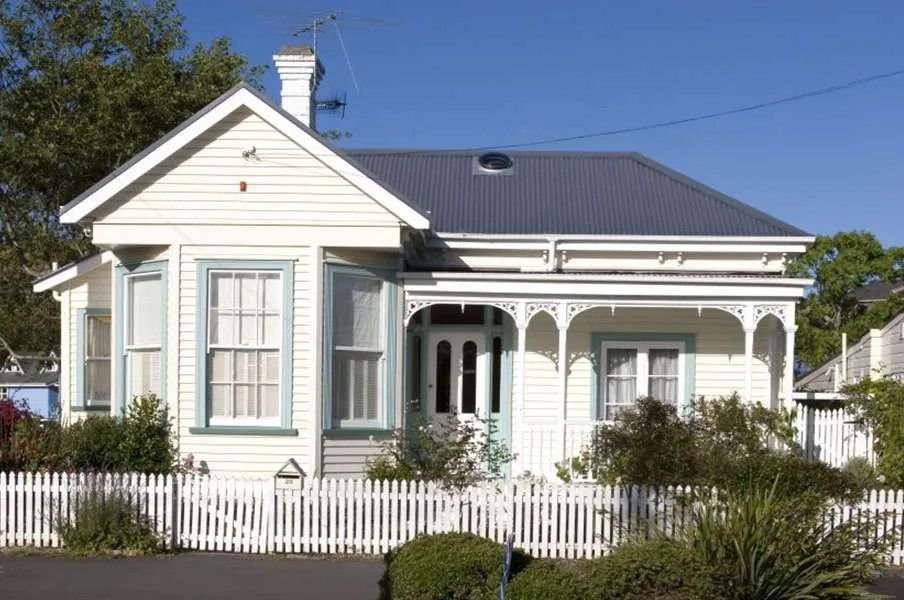
Auckland’s humid, changeable weather puts more pressure on exterior paint than a dry climate. Moisture, strong sunlight, salt air, and frequent rain gradually weaken the coating and expose flaws beneath it. A well-prepared repaint lasts considerably longer than a rushed application, but no single lifespan suits every property. The surface, paint system, exposure, and maintenance routine all affect the result.
Table of Contents
Auckland’s Climate and Exterior Paint
Humidity slows drying and keeps moisture close to cladding, trim, and joinery. Rain can also reach small gaps around windows, roof edges, and penetrations, where it encourages swelling, peeling, or mildew. Homes near the coast face added salt exposure, while properties in open positions receive more wind and sunlight.
Before booking an exterior repaint, inspect the existing coating, identify moisture entry points, and ask how the preparation will suit the cladding. A local team of expert painters in Auckland assesses weather exposure, surface condition, and access before recommending a repainting schedule. That assessment matters because paint cannot correct damp materials, failed sealant, or movement beneath the coating.
A repaint that begins on a dry, sound surface has a better chance of lasting through Auckland’s wet seasons. If moisture remains trapped under the coating, bubbling and peeling can return soon after the work appears complete.
Preparation Determines the Result
Preparation often has more influence on durability than on the final colour. The surface needs cleaning, scraping, sanding, and repairs that match its material and condition. Flaking paint must be removed, mildew must be treated, and bare areas need suitable priming before the topcoat is applied. Pay close attention to:
- Washing away dirt, salt, chalking, and surface residue.
- Replacing failed sealant around windows, joints, and penetrations.
- Repairing cracked timber, damaged cladding, and loose coatings.
- Allowing the substrate to dry before primers and paint are applied.
Painting over dirt or unstable paint creates a weak bond. Likewise, sealing a damp area traps the problem beneath the new coating. A careful inspection should identify whether the building needs repairs before painting starts.
Choosing a Suitable Paint System
Exterior paint is a system, not a single layer. The primer, undercoat, and finish need to suit the substrate and the existing coating. Timber, masonry, fibre cement, and previously painted surfaces each require different preparation and product choices.
Colour also affects weathering. Dark colours absorb more heat and can place greater stress on some surfaces, while pale colours show dirt more readily. The right choice depends on the material, sun exposure, nearby vegetation, and the appearance you want to maintain.
Ask for a clear explanation of the proposed system before work begins. The explanation should cover surface preparation, repairs, priming, the number of finish coats, drying conditions, and areas that need special attention. Product instructions also matter because temperature, humidity, and recoat times affect the final bond.
Maintenance Extends the Repaint
Routine maintenance helps you find small failures before water reaches the substrate. Check painted areas after periods of heavy rain and during regular outdoor cleaning. Look closely at window joinery, fascia boards, soffits, deck edges, and shaded walls, because these areas often stay damp longer.
Use a gentle wash to remove grime and organic growth. Avoid harsh cleaning methods that strip the coating or damage the surface. Keep gutters clear, trim vegetation away from walls, and repair leaking spouting or downpipes promptly.
Small repairs should match the existing paint system as closely as possible. A patch with the wrong sheen or colour may remain visible, but leaving exposed material untreated creates a larger maintenance problem. Record the paint colour and product used so that future touch-ups are easier.
Signs That an Exterior Repaint Is Due
The surface usually gives warning before widespread failure occurs. Fading alone does not always mean immediate repainting, but it shows that the coating has weathered. Peeling, blistering, cracking, chalking, mildew, and exposed substrate require closer attention.
Run a hand over an inconspicuous area. If a powdery residue transfers to your fingers, the coating has begun to break down. Check timber for soft spots, inspect joints for failed sealant, and look for moisture marks beneath windows or roof lines.
A repaint should follow the condition of the building rather than an arbitrary calendar. Early action allows more of the existing coating to be prepared and preserved. Waiting until large sections fail increases repair work and makes the project more dependent on stable weather.
Conclusion
An exterior repaint in Auckland lasts longest when the building is dry, the surface is well-prepared, and the paint system suits the substrate and exposure. Humidity does not determine the outcome by itself, but it exposes weak preparation quickly. Inspect shaded walls, joints, timber, and drainage before the coating fails, then schedule a detailed assessment and address moisture problems before painting begins.