
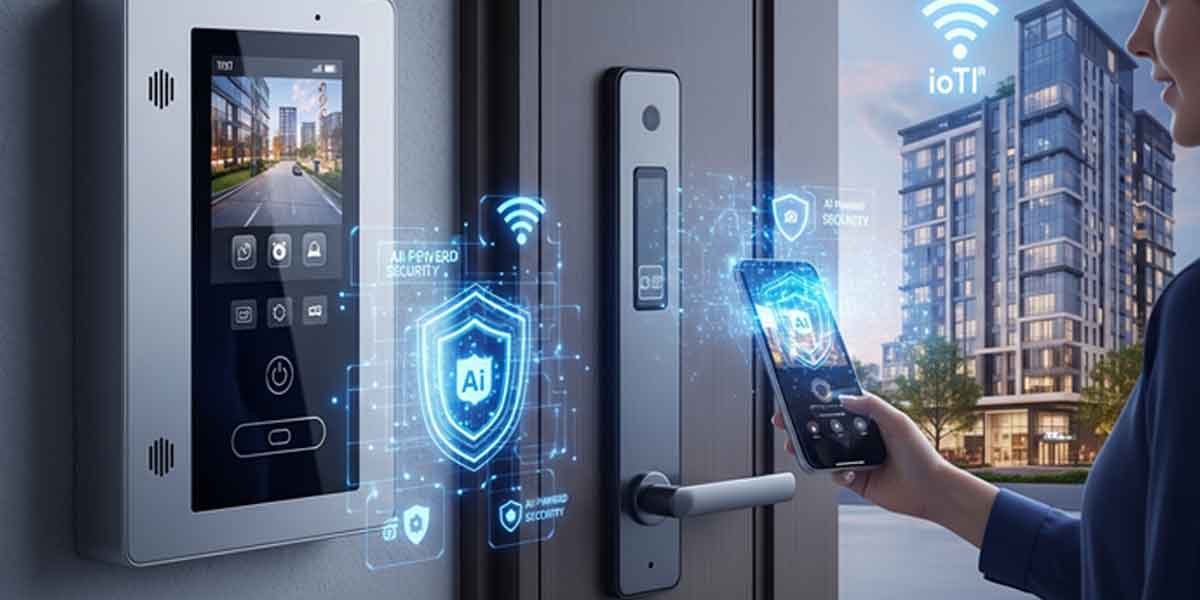
The concept of a smart home has evolved rapidly over the past decade. We are no longer limited to simply controlling the living room thermostat from the couch. Today, mobile technology is completely transforming how we manage residential security and daily convenience. One of the most significant upgrades happening in modern Australian homes is the transition from traditional, wired communication units to dynamic, app-based security ecosystems. By bridging the gap between property perimeters and our pockets, mobile integration is turning the classic front door buzzer into a sophisticated digital gatekeeper. This shift is especially valuable as online shopping and home deliveries become daily occurrences, requiring homeowners to manage access even when they are not physically present.
Table of Contents
The Shift from Hardware to App-Based Security
For years, answering the front door meant dropping whatever you were doing and walking over to a static, wall-mounted screen. If you were in the backyard, upstairs, or simply away from the house, you missed the visitor entirely. Mobile technology has removed these physical barriers. Modern systems sync directly with smartphones and tablets, turning your personal device into a highly portable security hub that travels with you.
However, upgrading to this level of convenience requires a robust technological foundation. Investing in professional home intercom installation ensures that the physical hardware on your property communicates flawlessly with your local network. A strategic setup eliminates frustrating Wi-Fi blind spots, guaranteeing that high-definition video feeds and two-way audio alerts reach your phone instantly, no matter where you are located. It also ensures the system is hardwired for power while remaining wireless for data transmission, offering the best of both worlds in terms of reliability. This approach guarantees that the system is fully optimised to handle the heavy bandwidth required by modern security protocols.
Overcoming Cyber Vulnerabilities in the Internet of Things
While connecting your front door to your smartphone offers incredible convenience, it also introduces new digital risks that cannot be ignored. Internet of Things (IoT) devices are frequently targeted by cybercriminals because they provide a potential bridge into private residential networks.
According to research from Palo Alto Networks, IoT hardware remains highly vulnerable due to design choices that prioritise speed and consumer convenience over robust security. Their data highlights that factory-default passwords and a lack of multifactor authentication leave home networks exposed to lateral network attacks. Hackers often exploit these weak entry points to access more sensitive data on the same network. Consumers often leave these default settings unchanged simply because they are unaware of the underlying risks.
To prevent these connected entryways from becoming a liability, homeowners must take proactive steps. Securing the Wi-Fi network and the mobile app associated with your intercom system is critical to maintaining your privacy. Following established safety tips against ransomware attacks, such as enforcing strong passwords and conducting regular network security audits, will help keep your digital assets and smart devices safe from intrusion.
Consider implementing the following safeguards for your mobile-connected security systems:
- Change all default manufacturer passwords immediately upon setting up the new device.
- Enable multifactor authentication on the mobile application used to view and control the intercom.
- Keep the device firmware and your smartphone app updated to the latest versions to patch known exploits.
- Set up a dedicated guest Wi-Fi network exclusively for your IoT devices to isolate them from personal computers and mobile phones.
The Impact of Remote Access and Real-Time Connectivity
The true power of a mobile-integrated intercom lies in real-time responsiveness. High-definition cameras and motion sensors now send rich push notifications directly to a homeowner’s lock screen. Whether you are at the office, running errands, or travelling internationally, you can view live footage and speak with visitors instantly. This connectivity gives the illusion that someone is always home, acting as a powerful psychological deterrent against opportunistic intruders who might otherwise test a property for vulnerabilities.
Furthermore, the widespread rollout of faster mobile networks like 5G has drastically reduced latency issues across the board. Previous generations of smart devices often suffered from buffering or lag, causing frustrating delays in audio and video transmission. Today, the connection is nearly instantaneous. You can verify a delivery driver’s identity, give them instructions regarding where to leave a package, and even remotely unlock a smart gate in real time, all from the palm of your hand.
Embracing the Future of Residential Access
The integration of mobile technology has completely redefined residential access control. By moving away from static wall monitors to intuitive smartphone applications, homeowners gain unprecedented flexibility, awareness, and peace of mind. As smart home ecosystems continue to expand, these mobile intercoms will likely integrate even further with automated lighting, smart locks, and broader security alarms. As long as these connected systems are installed correctly and rigorously fortified against modern digital threats, the mobile intercom will continue to be an essential and secure cornerstone of the modern smart home environment.