
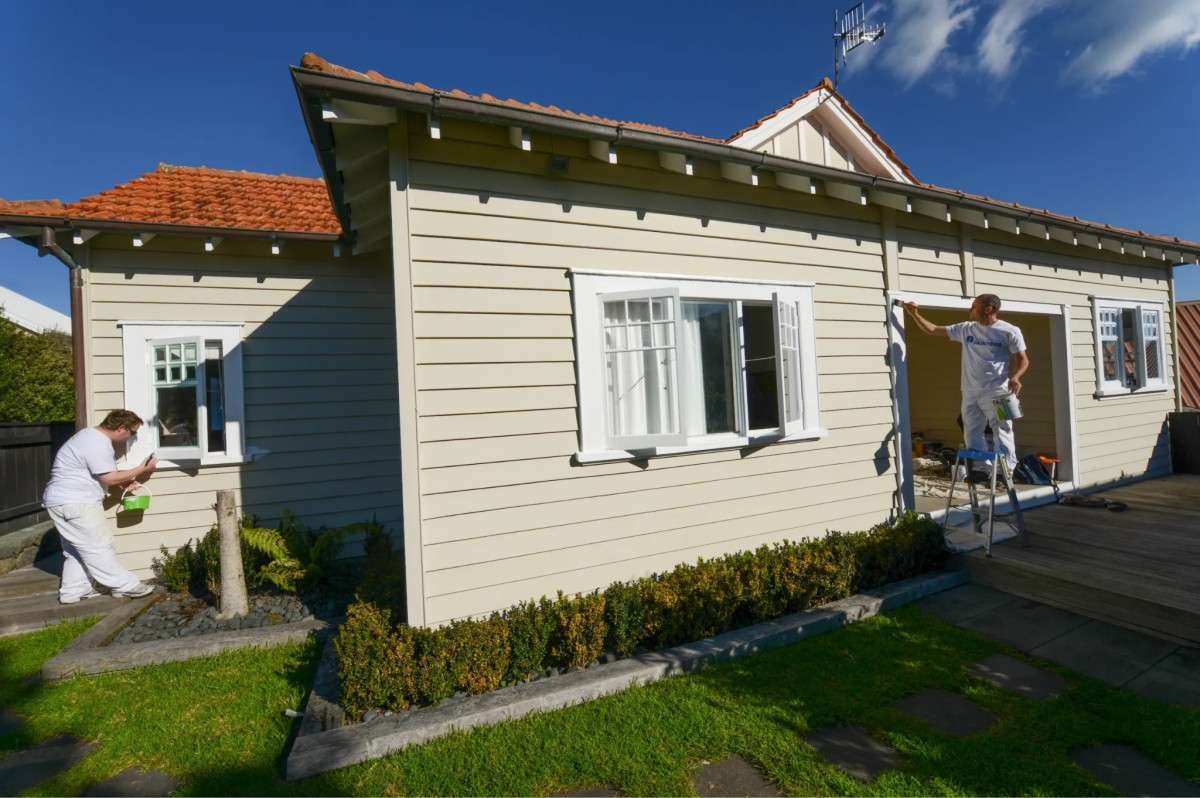
Weatherboard homes have their own charm and character, but they also represent special challenges for painters. Many owners DIY these homes as they do any other exterior painting project, and the results are often quite terrible. You should know what your weatherboard exterior needs to ensure a longer-lasting, attractive finish. By analysing easy-to-make mistakes, homeowners will be able to avoid a lot of expensive errors and protect their property significantly more easily.
Table of Contents
Skipping Proper Surface Preparation
The most common mistake is not thoroughly preparing before painting. Weatherboards can therefore appear dirty, contain mildew, or have flaking paint as the years roll by. If your surface isn’t thoroughly cleaned or sanded to seal in contaminants beneath it, a new coat is worthless. As a result, this neglect can indeed cause blisters, peeling, or patchy coverage. Many homeowners choose experienced painters in West Auckland to ensure surfaces are treated properly before any new coat is applied.
Overlooking Moisture and Damage
Moisture can easily settle, especially in weatherboard homes. No matter how excellent the paint is, any gaps, cracks, or rotting timber will let in water and undermine the paint job. Additionally, there are owners who would paint over damaged boards because they believe that a small, unsightly scratch would be completely concealed under a fresh coat of paint. Paint can’t resolve structural problems, however. You need to look for rot, replace any rotted boards, and use a good filler or caulk to plug any gaps.
Ignore Primer or Use the Wrong One
Primer is essential for weatherboard exteriors, but many owners either skip this step or use a product that is not specifically designed for timber. Primer is for sealing porous surfaces and stopping stains, as well as for even absorption of paint. Without it, the paint can absorb inconsistently or may not adhere at all, leaving you with patches or peels.
Applying Paint in Poor Conditions
When planning an outdoor painting project or a paint setup, the best (or worst) weather days are crucial. Many homeowners attempt to paint in one sitting, regardless of whether it’s hot, cold, or rainy. Paint dries too slowly or too rapidly depending on these factors, leading to flaking and cracking. Minimal painting is possible with dry boards and moderate temperatures.
Choosing Inappropriate Paint Types
Paints formulated for interior use or for use outside, in general, may not be as adaptable or long-lasting as those specifically designed for use on weatherboard exteriors. Good exterior paint designed for timber will expand and contract with temperature changes and will not crack and flake. One consideration owners may overlook is choosing a finish to paint their car based purely on its colour and price.
Neglecting Regular Maintenance
All paint needs love and care, even the best paint job. Many owners may think that a new coat will last forever; however, homes clad in weatherboard should be checked regularly. Identifying peels, cracks, or water damage can help intervene early. To avoid a small issue that turns into a big repair, use prompt touch-ups. Regular washing keeps dirt and mould away from the paint; the exterior will look its best between full repaints.
Coats With Multiple Coats Are Not Important
A single coat of paint is too often a shortcut to disappointment. As the treatment dries completely between coats, weatherboards typically receive two or three coats. Achieve deeper colour, better protection, and greater durability with multiple coats. The finish wears quickly and is rarely consistent if you rush the process to save time or cost.
Conclusion
Is it more than a gamble to get a blowout when you paint the weatherboard house? From preparation to product selection to application, every step has an impact on the final result. A lovely finish that can withstand the elements is possible if owners put in the time, avoid typical mistakes, and pay close attention to detail.