
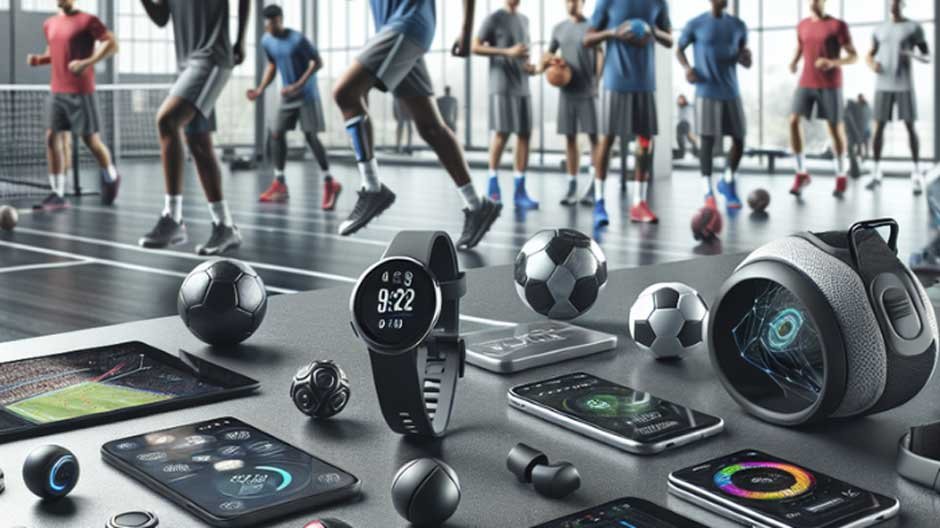
Technology has become an essential part of modern athletic training. From weekend runners to elite competitors, athletes are increasingly relying on smart accessories to track progress, refine technique and support recovery. When used correctly, athlete tech accessories provide valuable insights that go far beyond what the naked eye or a basic stopwatch can offer.
One of the most impactful developments in this space is wearable technology. Devices that track biometrics allow athletes to understand how their body responds to training stress, rest and competition. Tools such as the most accurate heart rate monitors have become particularly valuable, offering precise data that helps athletes train within optimal zones, avoid overtraining and improve endurance outcomes over time.
Here are some of the most useful athlete tech accessories and how they can support smarter, more effective training.
Table of Contents
Wearable Fitness Trackers and Smartwatches
Fitness trackers and smartwatches are often the starting point for athletes integrating technology into their routine. These devices typically monitor metrics such as heart rate, distance, pace, elevation and calories burned. More advanced models also track sleep quality, stress levels and recovery readiness.
For endurance athletes, GPS-enabled watches provide accurate distance and pacing data, making them ideal for running, cycling and triathlon training. Team sport athletes benefit from tracking overall workload and heart rate trends across sessions, helping to manage training intensity across a season.
The real value lies not just in the data itself, but in long-term trends. Reviewing weeks or months of training information allows athletes to identify patterns, plateaus and areas for improvement.
Heart Rate Monitors and Chest Straps
Heart rate monitors remain one of the most trusted athlete tech accessories available. While wrist-based sensors are convenient, chest strap monitors are widely regarded as the gold standard for accuracy, particularly during high-intensity or interval-based training.
Accurate heart rate data helps athletes:
- Train within specific heart rate zones
- Improve aerobic and anaerobic efficiency
- Monitor fatigue and recovery
- Reduce the risk of overtraining
For athletes focused on performance gains rather than guesswork, heart rate monitoring is a foundational tool that supports structured, evidence-based training.
Smart Recovery Tools
Training is only half of the performance equation. Recovery-focused tech accessories have grown rapidly in popularity as athletes recognise the importance of rest and muscle care.
Common smart recovery tools include massage guns, compression devices and mobility aids with app connectivity. These tools help improve blood flow, reduce muscle soreness and support faster recovery between sessions.
When paired with wearable data such as sleep quality and training load, recovery tech enables athletes to make informed decisions about when to push harder and when to prioritise rest.
Performance Tracking Sensors
Beyond basic wearables, performance sensors offer deeper insights into movement efficiency and technique. These accessories may attach to footwear, clothing or equipment and provide data on cadence, stride length, ground contact time or power output.
For runners, form sensors can highlight inefficiencies that may contribute to injury or wasted energy. Cyclists benefit from power meters that measure output directly, offering a clearer picture of performance than speed alone.
While more specialised, these tools are especially valuable for athletes aiming to fine-tune technique and gain marginal gains that add up over time.
Smart Headphones and Audio Coaching
Audio-based tech accessories are also playing a growing role in training environments. Bone-conduction and open-ear headphones allow athletes to listen to coaching cues, training prompts or music without blocking environmental awareness.
Some platforms integrate real-time audio feedback, providing pace alerts or heart rate zone notifications mid-session. This hands-free guidance helps athletes stay focused and consistent without constantly checking a screen.
Bringing It All Together
Athlete tech accessories are no longer about novelty — they are practical tools that support smarter training, better recovery and improved performance. The key is choosing technology that aligns with your sport, goals and level of commitment.
Rather than using multiple devices without direction, athletes benefit most when tech accessories work together as part of a clear training strategy. Accurate data, reviewed regularly and applied thoughtfully, can be the difference between training hard and training effectively.
When used well, modern athlete technology empowers athletes to understand their bodies, optimise effort and progress with confidence.