
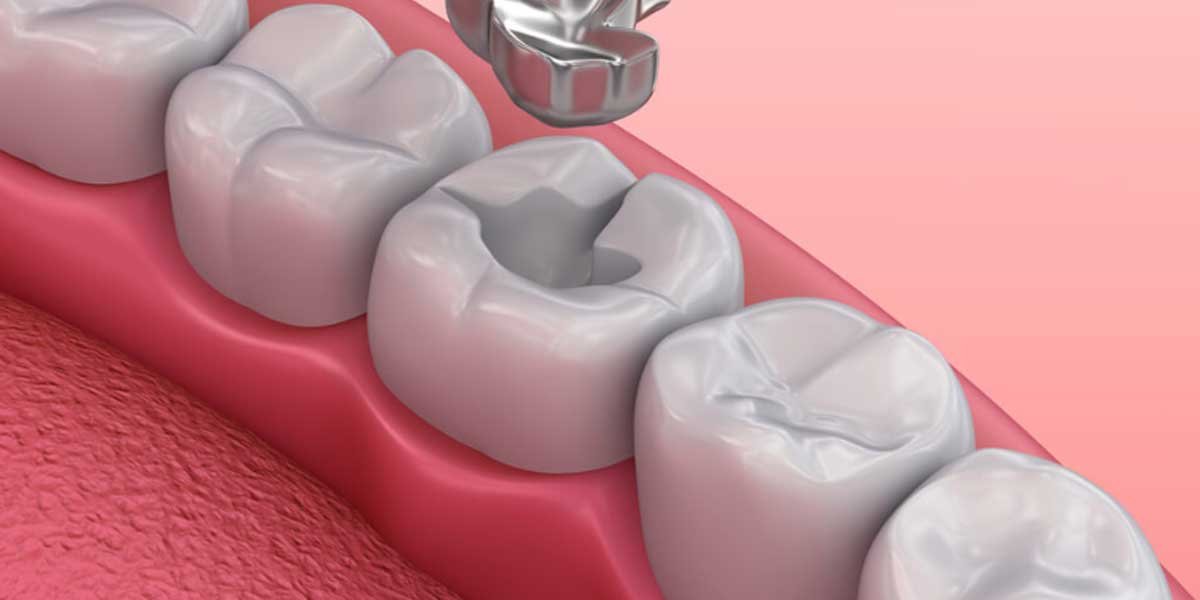
A lost filling or crown leaves part of the tooth open, and that changes how you need to care for it. Emergency dental care focuses on pain control, tooth protection, and fast follow-up. Since exposed tooth structure irritates easily, small delays may lead to more damage. This is how to handle lost fillings and crowns until you’re able to get to a dentist:
Table of Contents
Save the Crown or Filling
If your crown fell out, pick it up and place it in a clean container. Do not scrub it, and do not wrap it in tissue. As small debris may scratch the surface, rinse it gently with water. Bring the crown to your visit for emergency dental care.
A loose crown may still fit over the tooth, but you need to handle it with care. Test the fit once, and stop if it feels wrong. Since forcing it into place may crack the crown or tooth, leave it out unless your dentist gave instructions. Store it somewhere dry and easy to find.
Cover the Exposed Tooth
An exposed tooth feels rough, sensitive, and sore. You may use dental wax, and many pharmacies sell it near oral care products. Since air and temperature changes irritate open dentin, covering the area helps limit contact. If wax is not available, temporary dental cement is another option.
Avoid chewing on that side, and choose soft foods:
- Yogurt
- Eggs
- Oatmeal
Since sticky foods may pull at the area, skip gum, caramel, and hard candy. Brush gently around the tooth. Floss with care, but do not snap the floss into the gumline.
If a filling fell out, the tooth may trap food more easily. Keep the area clean, and check it after meals. As trapped debris adds pressure and irritation, rinse after eating and remove particles with a soft toothbrush. Do not place glue, nail adhesive, or household cement on the tooth.
Rinse With Saltwater
A saltwater rinse helps clear debris and calm irritated tissue. Mix half a teaspoon of salt with a cup of warm water. Since hot water may increase discomfort, keep the rinse warm, not hot. Swish gently for several seconds, and spit it out.
Repeat the rinse after meals if food collects near the tooth. Do not rinse hard, and do not use alcohol-based mouthwash on irritated tissue. Since strong rinsing may disturb a loose crown or sore gum area, keep the motion light. Plain warm water also works between salt rinses.
Remember to rinse your mouth gently with warm water to keep the area clean. Avoid eating hard or sticky foods that could aggravate the damaged tooth. If you feel lingering pain or notice worsening symptoms, it is wise to seek professional help as soon as possible, as delaying treatment could lead to more serious complications.
Seek Prompt Care
You need prompt dental care after losing a filling or crown. Call your dentist and describe what came out and when it happened. Since exposed teeth break more easily, early treatment lowers the chance of added damage. Ask whether the office wants you to bring the crown or use a temporary material.
Find Emergency Dental Care
Temporary steps help you manage the problem, but they do not replace treatment. Save the crown, protect the tooth, and rinse the area clean. As delays may lead to fractures, decay, or severe pain, schedule care as soon as possible. If you lost a filling or crown, contact an emergency dentist today and request the next available appointment.