
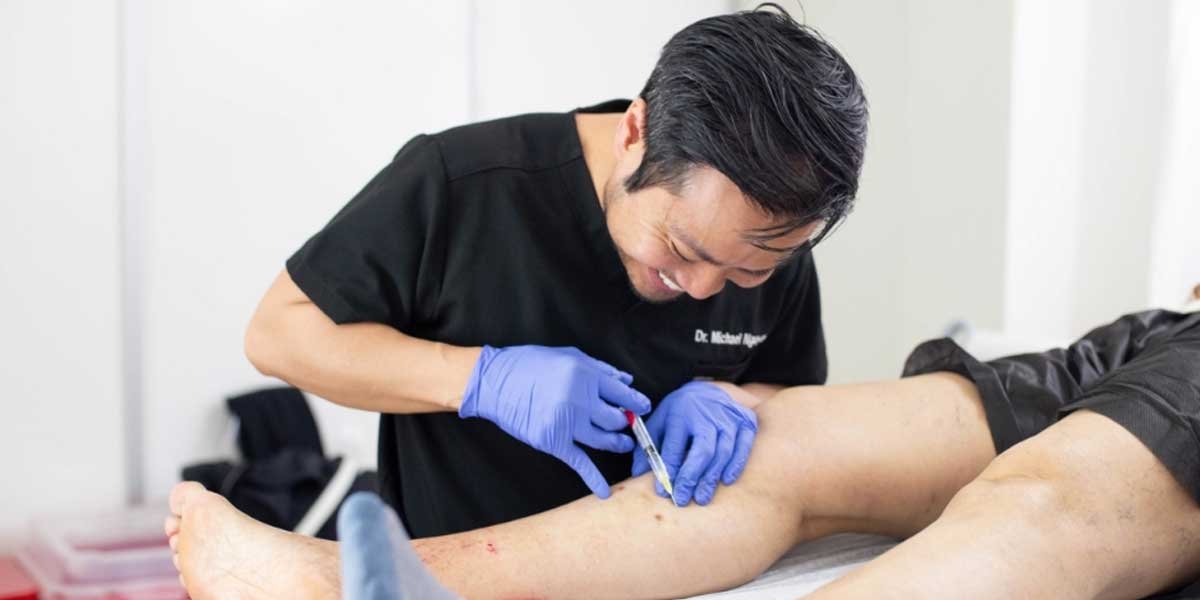
Vein surgeons specialize in diagnosing and treating disorders of the vascular system. Patients may experience symptoms like leg heaviness or visible swelling, prompting a visit to a clinical specialist. Identifying the right time to seek medical intervention requires a basic understanding of vascular health, and a timely consultation can prevent progressive circulatory damage. Here is more information on when to seek professional care:
Table of Contents
What Is a Vein Surgeon?
A vein surgeon, also known as a vascular surgeon, is a medical doctor who focuses on diseases of the vascular system. These specialists manage conditions affecting arteries and veins throughout the body, and their expertise covers both medical management and surgical procedures. By utilizing advanced diagnostic tools, they accurately map blood flow and identify blockages.
What Services Do They Offer?
Vein surgeons provide a wide array of services, ranging from non-invasive diagnostics to complex surgical operations. They perform vascular ultrasounds to visualize blood flow, and this helps them detect abnormalities. Based on these imaging results, the surgeon develops a customized clinical plan. This approach allows them to address the patient’s specific anatomical needs.
Surgical and minimally invasive treatments represent a significant portion of their clinical offerings. Procedures like endovenous laser ablation or sclerotherapy treat problematic veins without requiring large incisions. When non-invasive methods are insufficient, they perform surgeries to repair or bypass damaged blood vessels. The chosen service depends on the severity of the patient’s condition.
What Conditions Do They Treat?
Vascular surgeons evaluate and treat numerous diseases that affect the circulatory system. Patients present with various vascular disorders that require specialized clinical attention. The surgeon may determine the precise cause of the symptoms before recommending an intervention. They commonly manage the following vascular conditions:
- Spider veins
- Peripheral arterial disease
- Varicose veins
- Atherosclerosis
- Chronic venous insufficiency
- Carotid stenosis
The severity of these conditions dictates the specific therapeutic approach. Some patients require only routine monitoring, while others need immediate surgical correction. The surgeon will categorize the condition based on standardized clinical criteria.
What Does a Consultation Involve?
A consultation with a vein surgeon begins with a thorough review of medical history and current symptoms, and the physician may ask specific questions about pain levels, family history, and previous treatments. Patients will then undergo a physical examination focusing on the affected areas. This clinical assessment helps the doctor form an initial diagnostic hypothesis, guiding the development of a treatment plan.
Following the physical exam, the surgeon may order diagnostic imaging. A duplex ultrasound is used to visualize the vascular structures in real time. The doctor reviews the imaging results, and they may explain the underlying pathology. They will then outline the available treatment options based on the objective data gathered.
When Should You Seek Help?
Patients should seek medical evaluation when vascular symptoms interfere with daily activities or progressively worsen. Unexplained leg swelling, persistent aching, and the appearance of bulging veins are primary indicators for a clinical visit. Skin changes, such as discoloration or ulceration near the ankles, require immediate medical attention, as waiting too long can lead to irreversible tissue damage.
Meet With a Vein Surgeon
Addressing vascular symptoms promptly may lead to better long-term health outcomes. A vein surgeon can accurately diagnose and manage circulatory diseases, using a combination of diagnostic imaging and clinical expertise. If you observe symptoms of venous disease, schedule a clinical assessment and learn more about your treatment options.