
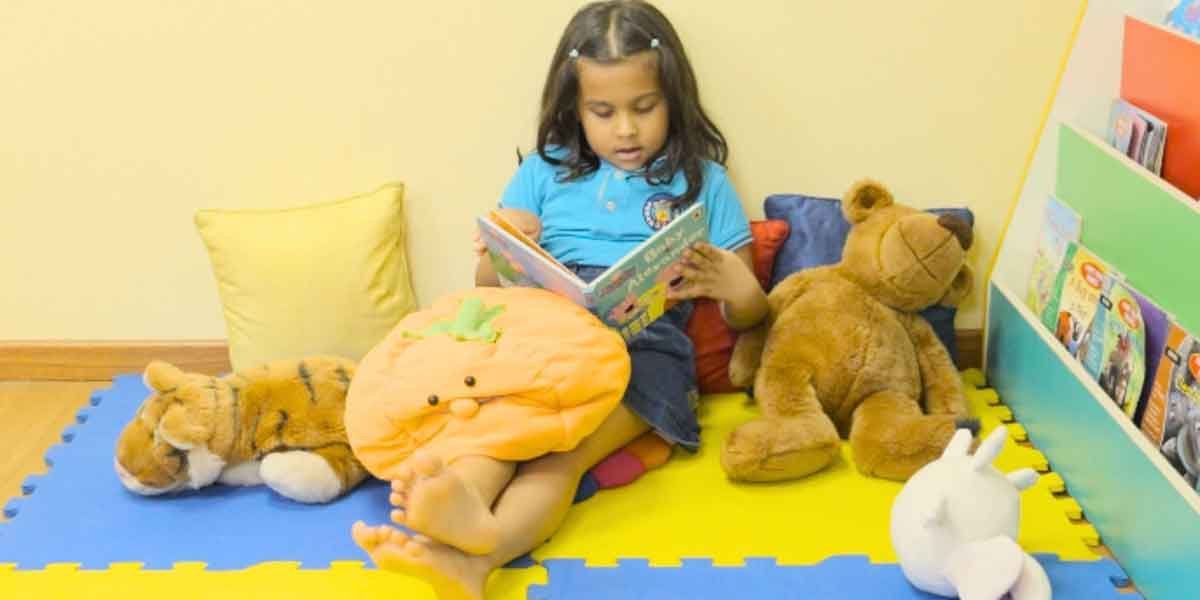
Transitioning a child into primary school is a major milestone, often bringing a significant shift in household dynamics. While the classroom is where formal education takes place, learning does not stop when the school bell rings. Creating a space at home that fosters concentration and creativity is essential for your child’s academic success. A well-structured environment helps children process what they learn during the day and builds foundational skills for the future.
Table of Contents
Designate a Dedicated, Distraction-Free Space
The first step in supporting your child’s education is carving out a specific area dedicated solely to learning and providing the right tools for the job. Instead of relying purely on worksheets, incorporating hands-on math teaching resources directly into their study area allows children to physically manipulate objects to solve problems, transforming abstract mathematical concepts into highly engaging, tactile activities that feel more like play than actual work.
The long-term benefits of a simple, distraction-free setup are well documented by educational experts. In fact, research highlights that a supportive home learning environment predicts long-term academic achievement, with children showing significantly better foundational cognitive skills that cascade all the way into their later school performance. When children know they have a safe and comfortable place to work, their confidence and independence naturally grow.
Incorporate Tactile and Visual Tools
Primary-aged students rarely learn best by simply staring at a blank page or a computer screen. They need to engage multiple senses to properly absorb complex ideas, especially when it comes to early numeracy and literacy. Equipping your child’s study zone with practical tools can completely transform their approach to after-school assignments. Whether they are using counting blocks, geometric shapes, or measuring tapes, physical engagement helps lock in mathematical concepts faster than rote memorisation.
Keep these supplies neatly organised in accessible drawers or bins so your child can independently reach for them when tackling homework. Spatial reasoning and problem-solving skills develop rapidly when children can literally get a grasp on the subject matter. When a study space feels inviting and well-stocked, children are far less likely to resist their daily educational tasks.
Balance Focused Study with Lifestyle Habits
A successful home learning environment is not just about keeping your child glued to a desk. Cognitive development requires regular breaks and movement. When children sit for too long, their attention spans naturally begin to wane. Incorporating physical activity into their daily routine is just as important as reading or completing worksheets. Breaking up stationary time is also a vital way to manage screen time in our highly digital age.
Finding ways to build essential habits for a balanced and radiant lifestyle is just as vital as academic practice. Organised outdoor play helps develop teamwork and coordination skills that translate directly back to their academic focus. A child who has burned off excess energy at the park or playing a sport is far more likely to sit down and concentrate effectively when it is time to study.
Establish Consistent Daily Routines
Even the most beautifully designed study space will go completely unused without a predictable routine. Primary students thrive on structure, as it removes the daily negotiation and anxiety of when homework needs to be done. To create a seamless learning routine at home, consider implementing consistent, practical strategies that suit your family’s unique schedule. Choose a reliable block of time each afternoon dedicated specifically to homework or quiet reading.
Allow your child thirty minutes to unwind and eat a snack before asking them to hit the books. Minimise digital distractions by keeping tablets and smartphones in another room unless required for an assignment. Create a simple chart outlining the afternoon plan so your child knows exactly what to expect, and always acknowledge their effort rather than just their grades. Consistent praise keeps them highly motivated.
Building an effective home learning environment is about much more than buying a new desk. It is about creating a holistic atmosphere where your child feels supported, stimulated, and ready to learn. By combining a dedicated physical space, tactile educational tools, structured routines, and plenty of physical activity, you will set your primary student up for a lifetime of educational success.