
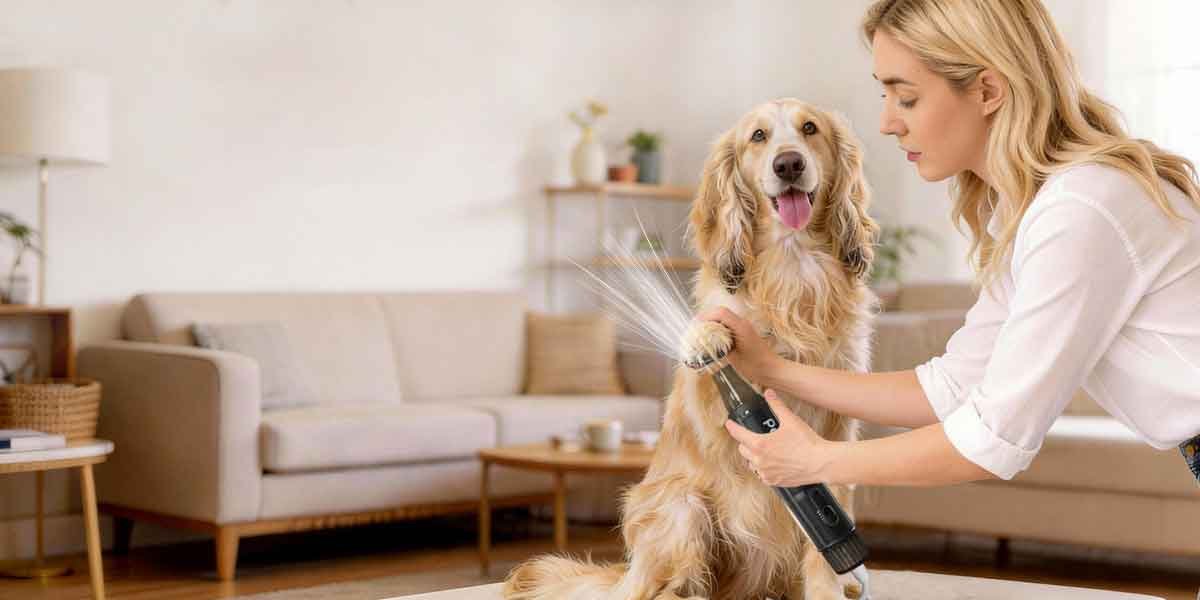
Bathing your dog is only half of the grooming process. The real difference in coat health, skin comfort, and overall hygiene often comes after the rinse—during the drying stage. Many pet owners focus heavily on choosing the right shampoo or brushing technique, yet underestimate how crucial proper drying is for maintaining healthy fur. Leaving a dog partially damp may seem harmless, but retained moisture can contribute to odor, matting, and even skin conditions over time.
When comparing towel drying and using a 犬用ヘアドライヤー, the question is not simply about convenience. It is about effectiveness, coat preservation, and long-term skin health. Understanding how each drying method works—and how it affects different coat types—can help you create a safer and more professional-level grooming routine at home.
Table of Contents
Understanding the Role of Proper Drying in Dog Grooming
A dog’s coat is more than just fur. It acts as insulation, protection against environmental irritants, and a natural barrier for the skin. After bathing, water often penetrates beyond the outer layer of fur and settles into the undercoat or near the skin surface. If that moisture is not thoroughly removed, it can create a warm, damp environment that encourages bacteria and yeast growth.
In addition to hygiene concerns, incomplete drying can affect the texture and appearance of the coat. Long-haired dogs may develop tangles, while double-coated breeds may trap moisture beneath dense fur layers. Even short-haired dogs can experience skin irritation if left damp in cooler temperatures.
For these reasons, choosing the right drying method is not just about speed—it directly impacts your dog’s comfort and coat quality.
Towel Drying: A Simple but Limited Approach
Towel drying remains the most traditional and accessible method. It requires no equipment, creates no noise, and works well for quick clean-ups. After a bath, gently pressing an absorbent towel against the coat helps remove visible surface moisture. For dogs with short, fine hair and minimal undercoat, this method may be sufficient under warm indoor conditions.
However, towel drying primarily addresses only the outer layer of fur. Water trapped beneath the topcoat often remains untouched. Many owners instinctively rub the towel vigorously to speed up the process, but this friction can cause tangling in longer coats and may irritate sensitive skin. Additionally, excessive rubbing can disrupt the natural lay of the fur, leading to frizz or uneven texture.
Another consideration is drying time. Air drying after towel use may take hours for thick-coated dogs. During that time, moisture remains close to the skin, increasing the risk of odor development and skin discomfort. While towel drying offers convenience, it may not provide the deep, thorough dryness required for optimal coat care.
Dog Hair Dryer: A More Comprehensive Drying Solution
A dog hair dryer is specifically designed to remove water from a dog’s coat efficiently and safely. Unlike standard human dryers that rely heavily on heat, many ペット ドライヤー focus on controlled airflow to push water away from the fur and undercoat. This airflow penetrates through dense layers, helping eliminate moisture that towels cannot reach.
One of the most significant advantages of using a dog hair dryer is reduced drying time. Thick-coated and large dogs can take an extended period to dry naturally, which can be uncomfortable for both the dog and the owner. A proper drying tool accelerates the process while ensuring moisture does not remain trapped beneath the surface.
Beyond speed, airflow drying helps maintain coat structure. When paired with gentle brushing, it separates strands, reduces clumping, and minimizes mat formation. The result is often a fluffier, smoother finish that resembles professional grooming results. More importantly, thorough drying supports healthier skin by limiting the conditions that allow bacteria and fungi to thrive.
Some dogs may initially feel uneasy due to the sound or sensation of airflow. Gradual introduction, calm handling, and positive reinforcement can significantly improve acceptance. Over time, many dogs become accustomed to the routine and tolerate it well.
Coat Type Considerations: Matching the Method to the Fur
Not all dogs require the same drying technique. Coat type plays a central role in determining whether towel drying alone is adequate or if a dog hair dryer becomes essential.
Short-haired breeds with single coats typically dry more quickly. For these dogs, thorough towel blotting followed by brief indoor air drying may be acceptable, particularly in warm weather. However, even short coats can benefit from airflow drying in colder seasons to ensure complete dryness and comfort.
Double-coated breeds present a different challenge. Their dense undercoat is designed to trap air for insulation, which also means it can trap water after bathing. Towel drying rarely reaches this inner layer effectively. Without proper drying, moisture may linger against the skin for hours. In such cases, a dog hair dryer significantly reduces the risk of damp-related skin issues.
Long-haired and curly-coated dogs also benefit from airflow drying. Their fur structure makes them prone to tangles and matting if left partially wet. Controlled drying combined with brushing helps maintain smoothness and prevents knots from forming as the coat dries.
Health and Hygiene Implications of Incomplete Drying
Improper drying is more than a cosmetic concern. Persistent dampness can compromise the skin’s protective barrier. Dogs with sensitive skin are especially vulnerable to irritation when moisture remains trapped near the surface.
Hot spots, also known as acute moist dermatitis, often develop in warm, damp conditions. These inflamed areas can appear suddenly and cause significant discomfort. While multiple factors contribute to their development, prolonged moisture after bathing can increase the risk.
Additionally, lingering dampness often leads to the familiar “wet dog smell.” This odor results from microorganisms breaking down organic compounds on the skin and fur. Thorough drying reduces the conditions that allow these organisms to multiply.
In colder climates, incomplete drying may also affect body temperature regulation. A damp coat loses its insulating effectiveness, potentially making the dog uncomfortable or chilled.
A Balanced Approach: Combining Towel and Airflow
Rather than viewing towel drying and dog hair dryers as competing methods, many experienced groomers recommend using them together. Beginning with a gentle towel blot removes excess water quickly and minimizes dripping. Following this with controlled airflow ensures deeper layers are fully dried.
This combined approach improves efficiency and reduces overall drying time. It also provides better coat control, especially when brushing is incorporated during the drying process. The result is a clean, fresh-smelling coat that feels soft and well-maintained.
Final Thoughts: Choosing the Best Drying Method for Your Dog
The debate between towel vs. dog hair dryer ultimately depends on your dog’s coat characteristics, environment, and grooming needs. Towel drying offers simplicity and quiet operation, making it suitable for quick maintenance or short-haired breeds. However, it often lacks the ability to thoroughly dry dense or long fur.
A dog hair dryer provides deeper drying, faster results, and enhanced coat care benefits. By removing moisture from both the surface and undercoat, it supports healthier skin, reduces matting, and improves overall hygiene. For many dogs—especially those with thick or high-maintenance coats—airflow drying becomes an important part of responsible grooming.
Investing time in proper drying is not merely about appearance. It directly contributes to your dog’s skin health, comfort, and long-term well-being. By selecting the appropriate method—or thoughtfully combining both—you can transform bath time from a basic cleaning routine into a complete coat care practice that keeps your dog looking and feeling its best.