
Automatic Vehicle Location is one of the most useful tools dispatchers use today in the transportation, delivery, and emergency-response industries. This system, as a linchpin, offers updated data, aiding in organizing and optimizing operations. Organizations today use these solutions to increase the reliability of services and improve decision-making. By realizing what Automatic Vehicle Location truly shows to dispatchers, businesses can have a deeper understanding of its effects as well as advantages.
Table of Contents
Precise Vehicle Positioning
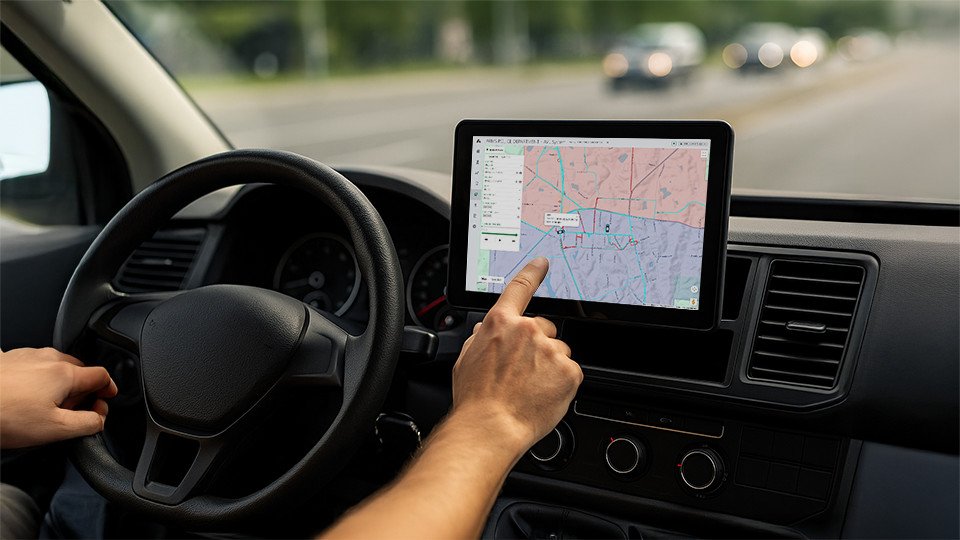
One of the key pieces of information that Automatic Vehicle Location technology provides is the actual physical location of each vehicle. An automated vehicle location system helps fleet teams monitor units more accurately by showing where each vehicle is in real time. Users log in using a computer, tablet, or smartphone, and the web-based application allows dispatchers to see where each unit is on a digital map that refreshes every few seconds.
This stream of information eliminates the guesswork and enables precise readings on the condition of the vehicle. Fleet managers can dispatch with greater confidence if they know precisely the location of their vehicles.
Accurate Estimated Times of Arrival
Automatic vehicle location systems enable real-time calculations of the estimated time of arrival by using actual traffic and routing conditions. Real-time updates reflect delays or progress in these predictions. Dispatchers use this information to relay accurate timing estimates to customers or clients. Making projections as accurately as possible minimizes the room for misunderstanding between service providers and their possible audiences, paving the path to reliable service delivery.
Driver Behavior Monitoring
Traditional systems not only monitor the location of each driver, but also track their operational behavior with their designated vehicle. Dispatchers can be notified when a vehicle is braking, speeding, or idling for an extended period. Safe driving and less operational waste are both aided by keeping an eye on such trends. An organization’s safety record and insurance premiums can be improved by concentrating on risky behaviors. In addition to encouraging safe driving practices, it will also extend the life of your vehicle and reduce the frequency of repairs.
Efficient Resource Allocation
Dispatchers use Automatic Vehicle Location technology to help allocate their resources wisely. Offering insight into each vehicle in service, what condition it is in, where it is located, and its availability allows dispatchers to send the most appropriate unit to each call that comes in. This approach minimizes fuel usage and avoids wasting mileage. Another important benefit of efficient scheduling that saves response time is for industries like emergency services and delivery.
Real-Time Communication Support
This technology also improves the interaction between dispatchers and drivers. Dispatchers can send direct messages, updates, or route adjustments via the system interface. By utilizing two-way communication, the driver can be notified of unexpected events, such as road closures and accidents. This way the drivers can adapt where needed and keep the operations running smoothly. Good, clear communication reduces confusion and keeps schedules going, even in trying conditions.
Historical Data for Reporting
A journey history of every trip is installed in Automated Vehicle Location platforms. Dispatchers and managers can evaluate this data to review performance and spot patterns and reoccurring issues. Reports generated from these records also help in the future planning and operational improvement. Detailed records reveal patterns like regular delays or frequent detours. Organizations can use historical data to improve strategies and resources over time.
Enhanced Security and Theft Prevention
Constant tracking of vehicles improves fleet security. If a car leaves its expected path or where it stops for an abnormal amount of time, dispatchers are notified. It enables businesses to catch irregular behavior as early as possible to mitigate theft or unauthorized use. Real-time tracking helps retrieve vehicles quickly, reducing losses and minimizing the time spent on disadvantages. This ensures organizations have peace of mind, knowing their technology stacks are safeguarded every minute of the day.
Compliance and Accountability
Automatic Vehicle Location (AVL) solutions allow organizations to be in complete compliance with all regulations related to hours of service, routes, and vehicle use. The log generated can prove that you meet these requirements in the case of dispatchers. This open record encourages responsibility from drivers and management alike. Documenting these records correctly will also aid in limiting disputes and help resolve issues during audits, which carries a reduced risk of penalties.
Conclusion
By providing dispatchers with an unobstructed, real-time view of fleet activities, Automatic Vehicle Location technology helps in making well-informed decisions. Having proper tracking, performance monitoring, and communication capabilities let organizations provide reliable service on a scalable, flexible basis, able to adapt quickly to change. Such tools enable businesses to enhance their efficiency, improve safety, and provide customer satisfaction.