
Homes are no longer designed just to look good. They are now created to feel good, work well, and support everyday life. As people spend more time at home, the focus has shifted towards spaces that feel warm, flexible, and personal.
Table of Contents
Furnishing and Design Trends You Should Opt for in 2026:
Flexible Living Takes Centre Stage
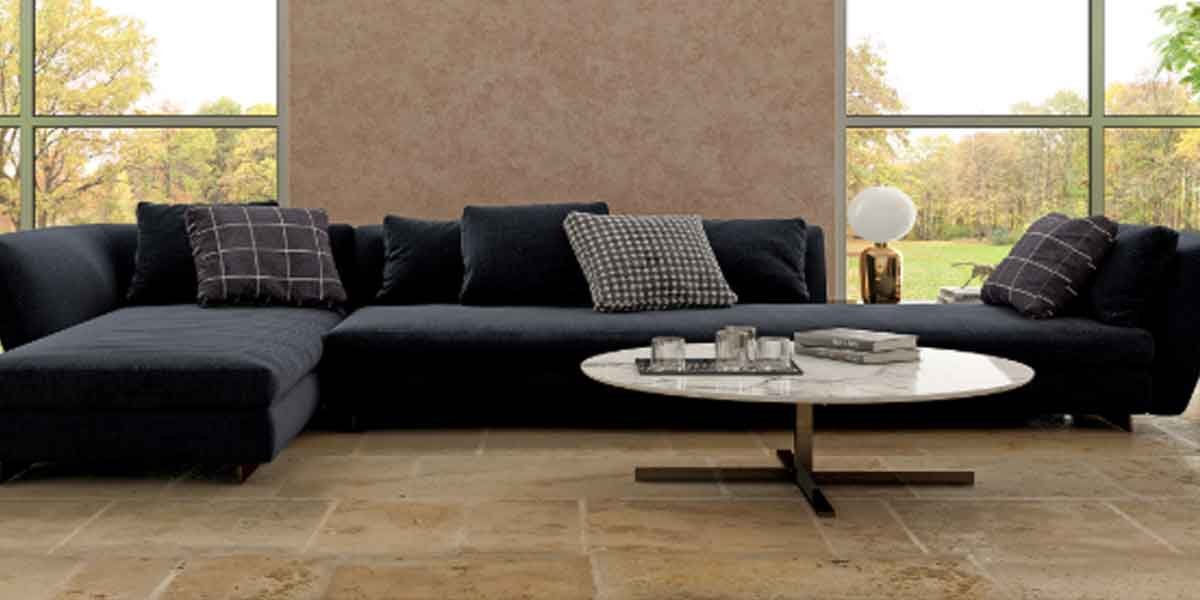
As homes continue to serve multiple purposes, flexibility has become a defining design principle. Living rooms are no longer static spaces; they transform throughout the day to suit work, relaxation, and social gatherings. This has increased demand for adaptable furniture that can evolve with changing needs. In many Perth contemporary homes, a modular lounge has become a popular choice, offering reconfigurable seating that supports both everyday comfort and entertaining without cluttering the space.
This trend highlights a broader movement towards furniture that adapts rather than dictates how a room is used. Homeowners want pieces that work just as well for quiet evenings as they do for hosting guests.
Warm Layering Takes Over Minimal Spaces
One of the biggest trends defining 2026 is warm layering. Homes are no longer designed to feel bare or untouched. Layers add comfort and depth.
Layering includes using rugs, cushions, throws, soft lighting, and textured surfaces together. These elements work as a group to create warmth. A room with layers feels welcoming and relaxed, even if the colour palette is simple.
Layered interiors also allow easy updates. You can change small details without replacing major furniture, which keeps the space fresh over time.
Earth-Inspired Colours With Gentle Accents
Colour trends are becoming more grounded and calm. Soft, earthy shades are being used as base colours because they feel natural and comforting. These tones help rooms feel balanced and peaceful.
To avoid dull spaces, small accents are added through decor items. These pops of colour bring life into the room without overpowering it. This balance allows rooms to feel expressive yet calm. Using this approach makes interiors easier to live with for many years.
Bedrooms Become Restorative Retreats
Midway through the home, the bedroom is receiving renewed attention in 2026. No longer treated as an afterthought, it is now designed as a space for rest, recovery, and personal comfort. Furniture choices prioritise support, calm aesthetics, and balance.
Selecting the right bed for a Perth bedroom is about more than size or design trends. It is about creating a central piece that enhances sleep quality while complementing the room’s overall style. Upholstered frames, muted tones, and minimal detailing help bedrooms feel serene, uncluttered, and deeply relaxing.
Adding Meaning Through Personal Layers
Homes are becoming more personal. People are mixing old and new items to create spaces that feel unique. Personal objects, meaningful decor, and collected items help tell a story. These layers add depth and emotional connection to a room. Instead of following one style, homes feel more authentic and lived-in.
How to Bring These Trends Into Your Home
You do not need a full makeover to follow 2026 trends. Small steps can make a big difference. When trends are used thoughtfully, they feel natural instead of forced.
Closed Layouts Make a Return
After years of open layouts, many homes are bringing back defined spaces. Separate rooms create calm and reduce noise. Closed or semi-closed layouts help with focus, privacy, and comfort. Simple dividers, sliding panels, or shelving can create separation without blocking light. This trend supports modern routines where people need quiet areas as well as shared spaces.
Vintage Elements and Thoughtful Reuse
Older furniture and reused decor are gaining attention again. These pieces bring warmth and history into a space. Mixing older items with modern furniture creates balance. The result feels rich and personal rather than flat or repetitive. Vintage elements also support sustainable choices and reduce waste.
Texture Becomes the New Design Focus
Texture is now one of the most important design tools. It adds interest even in simple spaces. Soft fabrics, woven materials, matte finishes, and natural surfaces all work together to create depth. Texture helps rooms feel inviting without relying on bold colours. Even small changes, like adding a textured cushion or rug, can transform a space.
Conclusion
Homes are becoming warmer, more thoughtful, and easier to live in. Design choices are guided by real needs and long-term comfort. The interior furnishing and design trends of 2026 show a clear move towards homes that feel human, practical, and personal. By focusing on comfort, flexibility, texture, and meaningful choices, it becomes easier to create spaces that support daily life. These trends are not about following directions but about shaping a home that feels welcoming, balanced, and truly your own for years to come.