
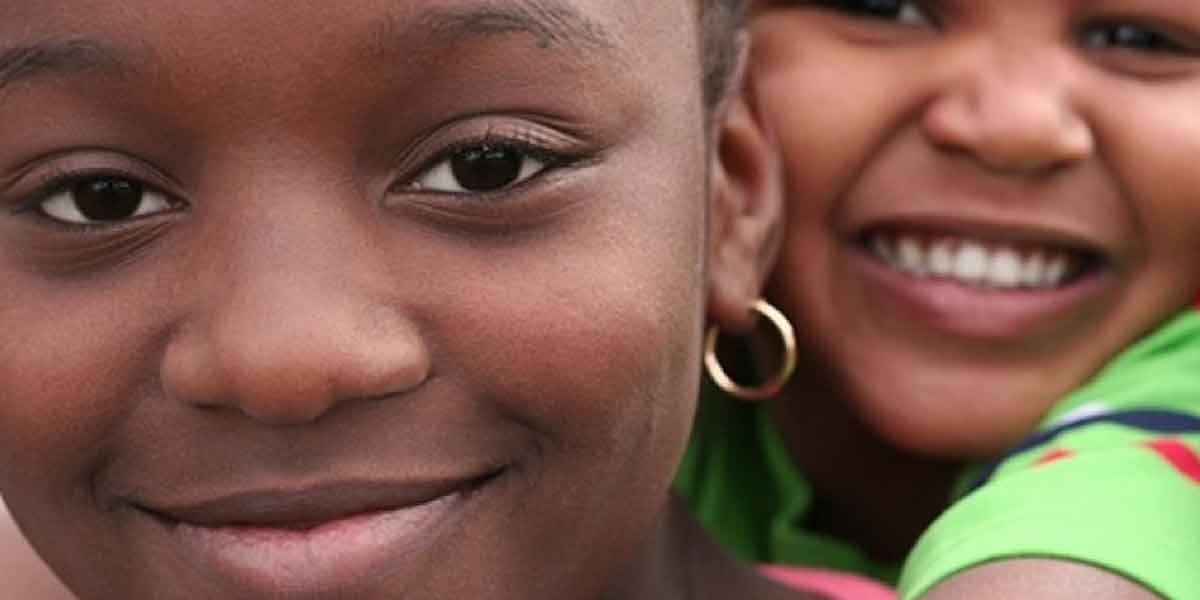
Childhood is often seen as a time filled with possibility, yet for millions of children worldwide, that promise is out of reach. Childhood inequality continues to shape lives in profound ways, limiting access to opportunities that many take for granted. From education and healthcare to safety and stability, the gap between those who have and those who do not remains stark, and understanding why is the first step toward meaningful change.
Poverty as a Root Cause
One of the most significant contributors to childhood inequality is poverty. Families facing financial hardship often struggle to meet basic needs such as food, clean water, and healthcare. For children, this can lead to malnutrition, poor physical development, and limited access to medical support.
Poverty is not just a temporary condition. It often creates a cycle that is passed down through generations. Children raised in low-income households are more likely to experience barriers to education and employment later in life, reinforcing inequality over time.
Unequal Access to Education
Education is widely recognized as a pathway out of poverty, but not all children have equal access to it. In many communities, schools lack funding, trained teachers, and essential resources. Some children are unable to attend school at all due to financial pressures or family responsibilities.
Even when education is available, disparities remain. Children from disadvantaged backgrounds may not have access to books, technology, or supportive learning environments. These gaps make it harder for them to succeed academically and compete for future opportunities.
The Impact of Social and Systemic Barriers
Childhood inequality is also driven by systemic issues such as discrimination and exclusion. Factors like race, gender, disability, and geographic location can all influence a child’s access to opportunities.
In some parts of the world, girls are still less likely to receive an education. Children with disabilities may face stigma or lack the support they need to participate fully in society. These barriers are often deeply embedded in social structures, making them difficult to dismantle without intentional effort.
The Role of Global Challenges
Global events continue to widen the gap for vulnerable children. Conflict, climate change, and economic instability disproportionately affect those already at risk. Displacement, food insecurity, and limited access to essential services can disrupt a child’s development and sense of security.
These challenges often overlap, creating complex situations where children face multiple forms of disadvantage at once. Without intervention, the effects can last well into adulthood.
Why Compassion Matters
Addressing childhood inequality requires more than awareness. It calls for action rooted in empathy and understanding. Learning what is compassion helps individuals and communities move beyond acknowledging the problem to actively working toward solutions.
Compassion drives initiatives that provide education, healthcare, and support to children in need. It also encourages advocacy for policies that address the root causes of inequality rather than just its symptoms.
Moving Toward Lasting Change
Childhood inequality persists because it is tied to long-standing economic and social systems. However, progress is possible. By investing in education, strengthening healthcare systems, and addressing discrimination, societies can create more equitable opportunities for all children.
Real change happens when individuals, organizations, and governments work together with a shared commitment to fairness. Every child deserves the chance to grow up with dignity, opportunity, and hope, and closing the gap is a responsibility that belongs to everyone.