
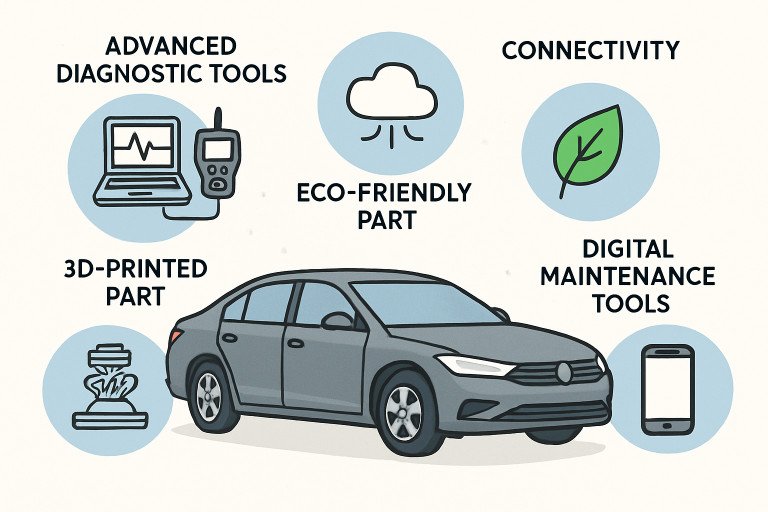
The automotive landscape is undergoing a significant transformation, driven by rapid technological innovation in auto parts and maintenance tools. Advanced auto part technologies are not just incremental improvements; they’re setting entirely new standards for how vehicles are cared for and how long they last. Drivers, technicians, and service providers now enjoy an ecosystem rich with sophisticated diagnostic accuracy, custom-manufactured solutions, and streamlined digital conveniences. These changes have empowered consumers, reduced vehicle downtime, and made routine maintenance more manageable and transparent. With greater access to quality parts and seamless experiences, whether you need original, durable products like Toyota parts or expert guidance, the focus has become optimal performance and value retention.
Today’s vehicles integrate intelligent micro-sensors, advanced computer modules, and cloud connectivity, allowing predictive and preventive maintenance. Car owners can assess real-time performance analytics, reducing repair costs, wait times, and environmental impact through innovations like 3D-printed parts and eco-friendly materials. Digital tools, including mobile apps and AI platforms, enhance maintenance by providing service reminders and remote diagnostics, empowering drivers to minimize surprises and costs in car upkeep.
If you are searching for a trustworthy and knowledgeable partner who combines expertise, genuine parts, and innovative servicing solutions, connecting with a nearby Toyota dealership Atlanta is the smart solution. Such dealerships excel in blending traditional know-how with modern advancements, giving consumers peace of mind as auto technology continues to evolve. Tapping into the guidance of experienced local professionals ensures a hassle-free service journey while helping you make the best possible decisions about your vehicle’s upkeep in an era of dynamic change.
Table of Contents
Advanced Diagnostic Tools
Modern diagnostic tools have evolved beyond simple code readers into highly sophisticated analysis suites capable of interfacing with virtually every electrical and mechanical system in a vehicle. Today’s tools collect massive amounts of information from thousands of embedded micro-sensors that monitor everything from exhaust gas composition to suspension calibration. This stream of big data, processed through advanced artificial intelligence algorithms, enables technicians to zero in on subtle issues long before they might cause noticeable symptoms. For example, slight deviations in expected fuel injector patterns might signal possible clogging, even before fuel economy is affected. According to Automotive News, the most forward-thinking workshops now rely on these capabilities to shorten the time it takes to diagnose and resolve problems, drastically reducing customer inconvenience and labor costs. As these AI-powered diagnostic tools continue to improve, drivers can expect even greater certainty and precision in the repair process, enhancing road safety and minimizing unplanned expenses.
3D-Printed Components
One of the most exciting developments in auto parts manufacturing is the adoption of 3D printing for creating components on demand. No longer do owners of discontinued or unique models need to scour salvage yards or order expensive imports; instead, parts can be modeled digitally and printed locally, often within days. This technology brings tremendous benefits, particularly in custom repairs or for vehicles with rare specifications. By eliminating delays in sourcing hard-to-find parts, turnaround times for essential repairs drop considerably. Coverage by BBC News highlights how 3D printing is also enabling rapid prototyping, which engineers use to confirm the perfect fit and function before final installation. This iterative approach means less trial and error, greater certainty during critical repairs, and reduced overall waste, making it a sustainable choice for forward-looking workshops.
Predictive Maintenance Systems
Predictive maintenance systems represent a paradigm shift from routine, interval-based maintenance to smart, data-driven interventions. These platforms continuously analyze live data streams from the engine, transmission, tires, brakes, and fluid reservoirs using cutting-edge sensor networks. Machine learning models assess how normal wear and environmental factors are affecting usage patterns, issuing timely alerts when any reading deviates from established baselines. For instance, such systems can warn drivers of low brake pad thickness or abnormal oil viscosity, prompting proactive inspections and appointments well before damage occurs. The benefits are profound: scheduled servicing based on actual wear extends vehicle life, eliminates unnecessary parts replacements, and enhances reliability for all types of drivers. Leading brands now include predictive maintenance as a standard feature, particularly on electric and hybrid vehicles where powertrain reliability is paramount. This evolution not only keeps vehicles on the road longer but also delivers considerable long-term savings and a more relaxed ownership experience.
Integration of Vehicle-to-Cloud Connectivity
The integration of advanced vehicle-to-cloud connectivity solutions is increasingly shaping how vehicle maintenance is performed. Modern cars can now transmit real-time performance and health data directly to authorized service centers, allowing mechanics to receive early warnings and fault codes even before an owner brings the car in. For drivers, this translates into unprecedented flexibility; some software-related repairs or diagnostics can be performed remotely via over-the-air updates, eliminating the need to visit the dealership for many issues. This technology is especially valuable for businesses operating fleets, as it enables centralized management of routine servicing and optimization of uptime. Progressive dealerships also use anonymized vehicle data to identify larger trends or recurring maintenance needs, translating these insights into improved service recommendations and more efficient inventory planning. Ultimately, vehicle-to-cloud connectivity enhances convenience and responsiveness, ensuring that both commercial operators and everyday commuters experience fewer interruptions and more streamlined maintenance processes.
Sustainable and Eco-Friendly Parts
As concern for environmental responsibility grows, the auto parts industry is responding by developing greener and more sustainable products. Many leading manufacturers now produce critical components using recycled metals, bio-based plastics, and renewable fiber composites, dramatically cutting the footprint associated with traditional part production. Energy-efficient auto parts, such as alternators with improved charging algorithms, advanced LED lighting, and low-volatility hydraulic fluids, reduce consumption and emissions throughout a vehicle’s life. The move toward a circular economy is further supported by practices like refurbishing and remanufacturing old components, which help capture valuable resources that would otherwise be sent to landfills. As climate goals become more ambitious worldwide, these eco-friendly solutions are rapidly becoming the industry standard, and customers will increasingly find that making sustainable choices doesn’t have to compromise performance or reliability.
Enhanced Customer Experience Through Digital Tools
Digitalization is dramatically enhancing the customer experience in the auto maintenance world. Many service providers now offer intuitive online platforms that let clients book maintenance appointments on their own schedule, receive real-time updates during repairs, and chat directly with their technicians for instant status reports. Customer-facing dashboards provide an at-a-glance view of service history, itemized cost breakdowns, and proactively flagged upcoming needs. This increased transparency not only builds trust but also helps car owners plan and budget with greater confidence. The convenience doesn’t end at the repair bay; mobile apps integrated with vehicle systems can remind users to schedule checks, alert them to expiring warranties, and even prompt them to set appointments the moment a service threshold is triggered. The net result is a seamless bridge between owner and workshop, creating an experience that’s as efficient and reassuring as it is informative.
Conclusion
Innovations in auto parts and service technologies are turning car ownership into a more empowering and proactive experience. Enhanced diagnostics, predictive maintenance, digital customer tools, and sustainable sourcing are ushering in an era of unprecedented reliability and transparency. By embracing these advancements, drivers can enjoy extended vehicle life, fewer maintenance surprises, and smarter investments of time and money. For anyone seeking to future-proof their maintenance approach, exploring modern dealer resources and up-to-date solutions remains the key to sustained value and worry-free ownership in today’s fast-moving automotive world.