
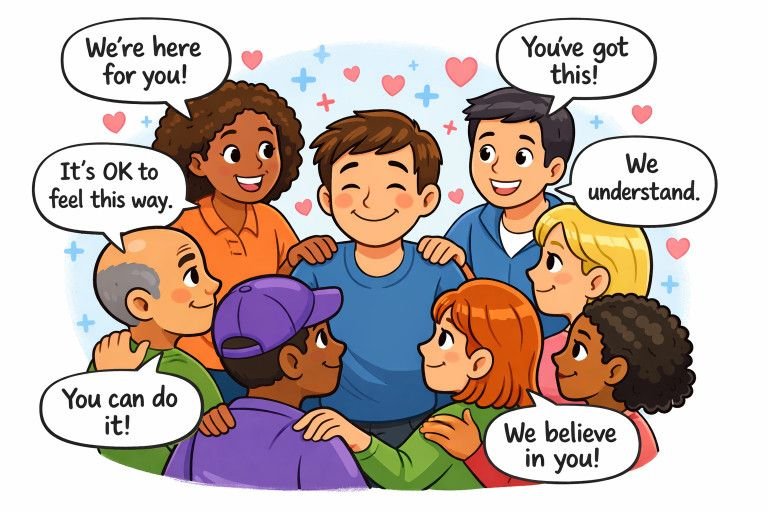
Recovery from addiction is a deeply personal journey, yet it is seldom traveled alone. Community connections, whether through formal programs or informal networks, play an essential role in helping individuals move from struggle to stability. By promoting acceptance, sharing resources, and offering emotional support, communities can become catalysts for lasting change. For those seeking dedicated support options, Denver Rehab in Colorado provides comprehensive recovery services tailored to diverse needs.
Whether through organized groups or smaller social circles, community support weaves a safety net that empowers individuals to rebuild their lives. The sense of belonging and accountability that comes from being part of a supportive group encourages sustained recovery efforts and fosters hope for the future.
People who feel accepted by their community are more likely to discuss their challenges openly, seek help earlier, and remain engaged in ongoing recovery efforts. This dynamic is fundamental to breaking cycles of isolation and relapse. Furthermore, supportive communities actively work to eliminate barriers, psychological and practical, that can hinder meaningful progress.
Central to this process are initiatives designed to include families, transform group attitudes, and connect individuals to essential services. By understanding how different forms of community engagement support recovery, individuals and families can make informed decisions that enhance outcomes for everyone involved.
The Importance of Community in Recovery
Community support is often the missing link in successful addiction recovery. When individuals participate in a supportive environment, their chances of achieving long-term sobriety substantially increase. These environments provide more than just words of encouragement; they deliver emotional stability, reduce the overwhelming sense of isolation, and reinforce healthy behaviors.
Research from Psychology Today underscores the connection between community participation and improved mental health outcomes in recovery. People are more likely to stay substance-free when they feel they belong and have a structured network supporting them. Community engagement is not just a supportive measure, but a proven aid for sustainable recovery.
Family Support in Recovery
Families are uniquely positioned to offer both stability and empathy throughout the recovery journey. Their involvement can deepen trust, enhance motivation, and help reinforce treatment goals. Programs such as the Community Reinforcement Approach and Family Training (CRAFT) teach families how to communicate effectively and provide positive reinforcement, maximizing their role in a loved one’s recovery.
Family-oriented services often guide relatives through the emotional aspects of addiction recovery, enabling them to support rather than enable. When families gain skills and knowledge, they can better address triggers, manage conflicts, and create home environments that support healing rather than perpetuate stress.
Peer Support Groups
Peer support groups offer a distinct sense of belonging that formal treatment alone cannot always provide. Whether through Alcoholics Anonymous, SMART Recovery, or other group settings, individuals benefit from connecting with others who have “been there.” The exchange of stories, solutions, and accountability fosters hope and encourages personal responsibility.
According to the New York Times, participating in peer-led groups is associated with higher success rates in maintaining abstinence. By relating to others’ journeys, participants often find inspiration and practical tools to navigate setbacks and celebrate progress.
Community Programs and Resources
Communities across the United States offer a spectrum of resources to address addiction. Local recovery centers, public health workshops, and outreach initiatives serve as gateways to counseling, medication-assisted treatment, and employment services.
National organizations also play a vital role. The Substance Abuse and Mental Health Services Administration (SAMHSA) offers a dedicated Recovery Resource Center, which provides education, recovery coaches, and links to local services. Such resources are invaluable for those starting or continuing their recovery journey.
Reducing Stigma Through Community Engagement
Stigma remains a persistent barrier to seeking help. Community engagement works to break this barrier down. Educational events, open forums, and visible support systems replace secrecy with honesty and acceptance.
Open conversations not only educate the general public but also empower individuals in recovery to advocate for themselves. When communities collectively embrace recovery as a shared responsibility, it becomes easier for individuals and families to reach out without fear of shame or rejection.
Real-Life Examples of Community Support
One of the clearest illustrations of effective community action comes from Hancock County, Ohio. Through coordinated efforts such as drug courts, transitional housing, and wide-reaching educational outreach, the community has seen remarkable progress in combating opioid addiction. These collaborative strategies resulted in a decrease in overdose deaths and improved overall public health. For more details, refer to this Associated Press article.
Other communities have found success with neighborhood-based recovery programs that integrate job training and mental health care into the recovery process. Such approaches are transformative because they look beyond addiction, supporting individuals holistically as they rebuild their lives.
Steps to Build a Supportive Community
Establish local support groups and recovery centers to provide accessible assistance in every neighborhood.
Organize educational workshops that promote understanding and skills for both individuals in recovery and their loved ones.
Encourage family involvement through structured training, empowering relatives to offer effective support rather than unintentionally enabling unhealthy behaviors.
Promote open dialogues that dispel myths and reduce ignorance surrounding addiction, making it easier for individuals to seek help.
Ensure that essential resources, such as counseling and housing services, are accessible to everyone who needs them, regardless of socioeconomic status.
Conclusion
Community support is foundational to successful addiction recovery. By building inclusive networks, equipping families, and encouraging open conversations, we open doors to healing and hope for individuals on the path to recovery. These collective actions change not only individual lives but also create more resilient and compassionate communities for all.