
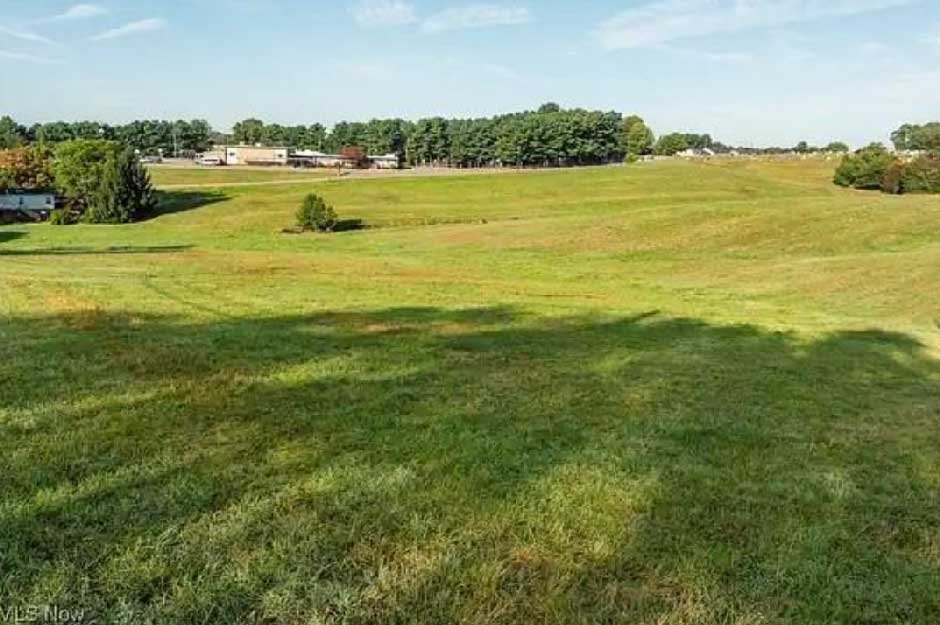
Urbanization is glorious and required if a city, state, or country wants to keep developing. That is why schools, parks and recreational spaces, public parks, and other public spaces spring up, especially in big cities. However, urbanization comes at a cost: the use of every available land. Sometimes, that means also taking up that which belongs to private individuals.
Table of Contents
What Future Development in Condemnation Means
When you hear about future development in condemnation or eminent domain, the first thing that might come to your mind might be the construction and development of new schools, public libraries, or any construction that is very useful to the general public. Therefore, this makes it acceptable to take private property that lies empty and seemingly undeveloped for years.
This sounds easy to do on the surface, but an underlying and often controversial side to it is how government entities can take land and mark it for future use, not immediate use. In other words, it can become future development held for condemnation, that is, land these entities can condemn for future use. It does not matter whether or not the use is uncertain; once taken, it is marked for condemnation and can no longer be used by the previous owners.
Reasons for Using Condemnation for Future Development
Governments and other authorities do not just wake up and take land that belongs to private individuals. There are usually reasons behind this seeming grabbing. Eminent domain allows the government to take private land for public use; it gives the government lawful power to do this. Still, these reasons must be in place before any entity can take private property for any public use.
Anticipated Growth
This is one of the primary reasons for land condemnation by authorities. When a town, city, or state starts to grow and expand, there is usually a need for more space to accommodate new facilities and structures. Structures like new roads, sewage lines, and drainage systems need space, so getting it ahead of time makes for better planning for the future.
Community Development
Sometimes, condemnation is not left for future use or development only. It can also be used for immediate use, even if that land is transferred to a private company or entity in order to develop it for public use. So when a community needs new utility lines or public pools, such a piece of land can go to serve this purpose.
Getting Affordable Land
When a city or town newly opens up, there is usually a rush to grab parcels of land and prime properties if only for the purpose of keeping them for sale when the prices begin to go up. Government entities are no different; they can also try to get parcels before the prices go up.
Otherwise, acquiring the needed size for any reasonable development might cost an arm and a leg if they leave acquisition until development is near. Condemning early costs little or nothing. Click here to see how to get affordable land.
4. Urban Renewals
Governments can also use condemnation to map out land for urban renewals. There might be areas of a town or city that are blighted or need redeveloping, and having an available piece for just this purpose can be a relief instead of spending money on land and redevelopment.
What to Do as a Property Owner
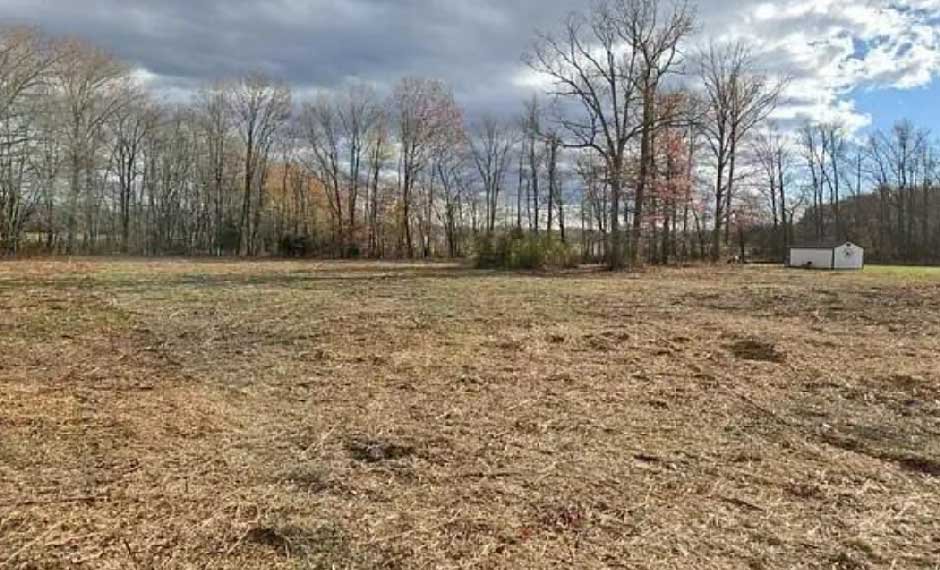
If you own land in a rapidly-developing area, it is important to know what to do in the event of condemnation or eminent domain. There is always room for urbanization and sub-urbanization, so it is best to be prepared for such a risk. After all, idle land is typically the prime target for condemnation if the planning maps show potential growth.
Stay Ahead: With the above in mind, it is important to get someone with professional knowledge in this area on your side, someone like a lawyer who is well versed in condemnation or land development. An experienced legal counsel will help you get proper appraisals, find the best use for it, and represent you if there is a need for negotiations or court appearances.
Get Good Compensation: Think about what your parcel might be worth if developed, not just what it is worth if it is empty. If the government is compensating for condemnation, it is crucial to know what the actual worth is through proper valuation so that you are not paid less than you deserve.
Be Ready to Challenge Decisions: Sometimes, condemnation is unnecessary, and being vigilante can mean the difference between unfair takeovers and retaining prime properties. So, if you suspect a proposed takeover is unnecessary and can prove it, you may be in the right to challenge it. Your chances of winning increases if there is no immediate use for it. To understand how to go through the steps, follow this resource: https://www.consumernotice.org/.
Conclusion
Future development held for condemnation is an important part of development in any city or state, but it can be detrimental to property owners. Without proper vigilance and safeguarding steps, you as a landowner can lose out completely on what is legally yours.
Therefore, find yourself a good legal representative, get professional and proper valuation, and protect your property. You will get excellent compensation this way, even if it is taken over for condemnation