
Embarking on a major home extension or remodel is an exciting milestone for any property owner. Upgrading your living space brings a fresh look and adds significant value to your home. However, the demolition and construction phases also bring chaos, debris, and a major risk to your cherished belongings. From plush sofas to delicate electronics, your household items are vulnerable to accidental knocks, paint splatters, and pervasive grime. Taking proactive steps to safeguard your furniture is just as important as choosing the right tiles or paint colours.
Table of Contents
The Hidden Danger of Construction Dust
When walls come down and floors are sanded, the resulting debris is not just a minor nuisance. Microscopic particles like drywall dust and silica can infiltrate every crevice of your home. These fine particles are notoriously difficult to clean and can cause permanent damage to porous fabrics, artwork, and sensitive electronics.
Many homeowners mistakenly believe that simply closing the door to the construction zone is enough. Unfortunately, air currents easily carry these fine particles throughout the property. The U.S. Environmental Protection Agency warns that remodelling dust can easily spread to other parts of the house, requiring the use of physical barriers and localised exhaust ventilation to prevent airborne pollutants from ruining untouched areas. Recognising this threat is the first step in creating a comprehensive protection plan for your interiors.
Exploring Secure Off-Site Alternatives
For major renovations that take weeks or months to complete, relying solely on spare bedrooms or sheds is rarely sufficient. Moving your most valuable or bulky items entirely off the premises is often the safest strategy. This ensures they are completely removed from the hazard zone of swinging ladders, wet paint, and heavy boots.
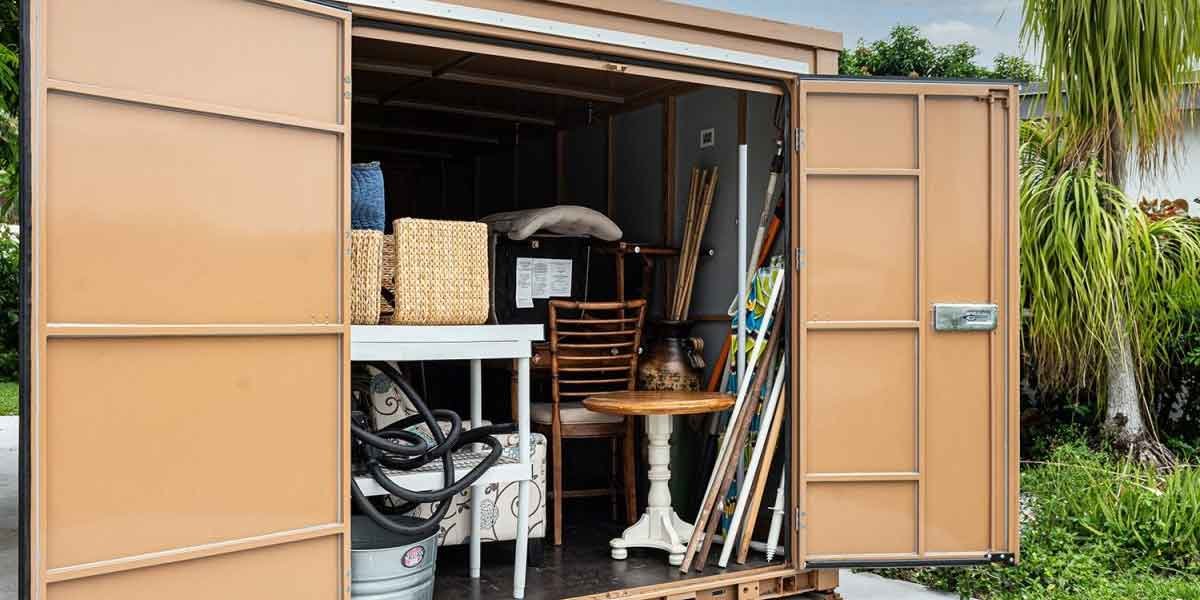
When looking for robust solutions, many property owners opt for heavy-duty, weather-resistant shipping vessels. For example, homeowners in South Australia might hire the robust storage containers in Adelaide removalists provide to keep their household assets secure and weather-proof during a massive build. These sturdy units offer ample space to hold entire living room sets, protecting them from both construction hazards and the unpredictable elements. Whether you keep a container on your driveway or at a secure facility, having a dedicated holding area brings immense peace of mind.
Re-evaluating Your On-Site Space Management
Faced with the need to clear out living spaces quickly, many people resort to shoving their armchairs, rugs, and side tables into the nearest available space. The garage usually becomes the default dumping ground. While this might seem like a quick fix, it often leads to a disorganised mess and exposes your valuable pieces to fluctuating temperatures, pests, and dampness.
Instead of cramming everything into a dusty carport, you should carefully weigh your space management options. Many property owners soon realise that using a storage unit is actually smarter than stuffing your garage with household items, as dedicated facilities prevent your timber furniture from warping and keep your upholstery free from musty odours. Keeping your parking space clear also gives tradespeople better access to the property, which can speed up the overall renovation timeline.
Practical Steps to Shield Remaining Belongings
You might not be able to move every single item out of the house. For the heavy furniture or built-in pieces that must stay behind, meticulous on-site protection is essential. A simple cotton sheet will not cut it when contractors are working nearby.
To properly defend the items left inside your home, follow these essential steps:
- Apply heavy-duty plastic sheeting: Drape thick builder’s plastic over remaining furniture and secure it tightly with painter’s tape at the base to prevent dust from floating underneath.
- Seal off air vents: Cover your HVAC registers in the rooms where furniture is stored. This stops construction dust from travelling through the ductwork and settling on your belongings.
- Use cardboard for hard surfaces: Place thick, corrugated cardboard over timber dining tables or delicate countertops to defend against dropped tools or heavy equipment.
- Create dedicated transit paths: Lay down temporary floor protection runners from the entryway to the work zone. This directs foot traffic away from your furnished areas.
- Install zipper doors: Fit plastic zip doors on the entrances of any room holding vulnerable items, ensuring a tight seal while still allowing you access if needed.
A successful home improvement project should never come at the cost of your favourite furniture. By understanding the insidious nature of renovation dust, avoiding the temptation of a cluttered garage, and utilising secure off-site holding solutions, you can keep your assets in pristine condition. Taking the time to properly wrap and relocate your belongings guarantees that when the dust finally settles, your newly renovated space will be ready to feature your flawless, undamaged furniture.