
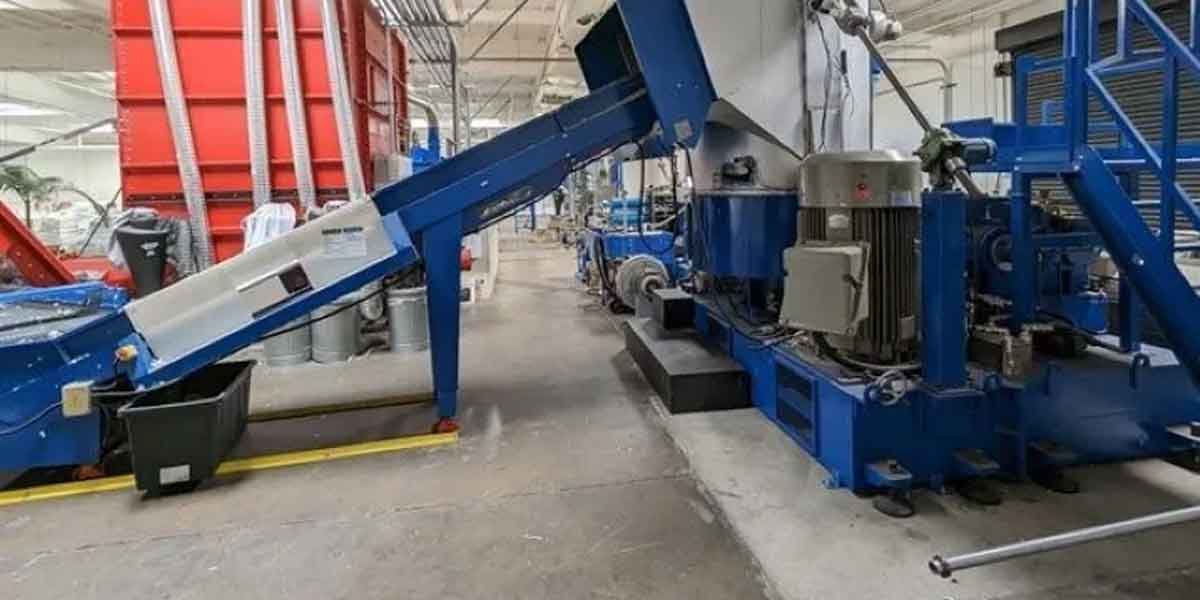
Modern automotive production has adopted polymer extrusion for lightweighting that increases fuel efficiency. The process forms continuous polymer profiles that support structural, protective, and mechanical vehicle functions. Engineers use plastic extrusion to produce profiles that integrate with complex vehicle systems. Here are a few ways plastic extrusion is revolutionizing the automotive industry:
Table of Contents
Custom Automotive Extruded Profiles
Plastic extrusion allows manufacturers to produce profiles with controlled wall thickness, surface finish, and color, while material selection determines properties such as rigidity or flexibility. Vehicle assemblies often require components that follow precise geometries within doors and interior structures. During production, heated polymers flow through custom dies that shape the material into a consistent cross-section.
Extruded profiles are used in the construction of vehicles. Window channels guide glass panels inside door frames, while protective trims shield exposed metal edges from wear. Structural channels help guide and secure wiring harnesses and fluid lines within the limited space inside a vehicle. Engineers collaborate with extrusion manufacturers during product development; before teams choose materials, they check the shape, the environment, and mechanical loads. This process verifies that the completed profile meets the functional and environmental requirements of the vehicle.
Lightweight Automotive Components
Plastic extrusion allows engineers to replace certain metal components with lighter polymer alternatives. Reducing vehicle weight can improve fuel efficiency and overall performance while maintaining the necessary structural strength of each part. Components such as interior support rails, mounting guides, and trim structures are increasingly transitioning from stamped metal to extruded polymer profiles.
Although the weight reduction of individual components may seem minor, the cumulative effect across the entire vehicle is significant. Material selection is guided by performance requirements; engineers commonly use polymers such as ABS, polycarbonate, acrylic, PVC, and HDPE. They use these materials to achieve the desired balance of rigidity and durability.
Durable Automotive Fluid Tubing
Polymer extrusion produces tubing and protective sleeves with consistent diameters and precisely controlled wall thicknesses. These characteristics offer pressure resistance and reliable performance in vehicle systems. Tubing is commonly used in air delivery lines, coolant circulation circuits, and fuel transfer channels. Manufacturers perform quality testing throughout production to verify consistent material properties. Each batch is inspected for dimensional accuracy, pressure tolerance, and material consistency to verify long-term durability.
Multi-Material Co-Extruded Components
Co-extrusion and tri-extrusion enable manufacturers to combine two or three polymers into a single profile. Each layer serves a specific function while remaining securely bonded during production. A rigid base layer may attach to the vehicle body, while a flexible outer layer compresses against a door frame to provide sealing; this layered design delivers both mechanical strength and effective sealing performance. Multi-material extrusion also incorporates protective or insulating layers as needed. Engineers select these configurations when components require an optimal balance of flexibility and environmental resistance.
Explore Plastic Extrusion Solutions
Plastic extrusion is used to produce structural guides, channels, and tubing systems across interior, exterior, and under-hood automotive components. Vehicle assemblies often combine stiff polymer profiles with flexible sealing elements to provide both structural support and effective sealing. Engineers collaborate closely during product development to integrate rigid profiles with elastomer features, offering a proper fit, performance, and durability throughout the vehicle. Work with a plastic and rubber manufacturer today.