
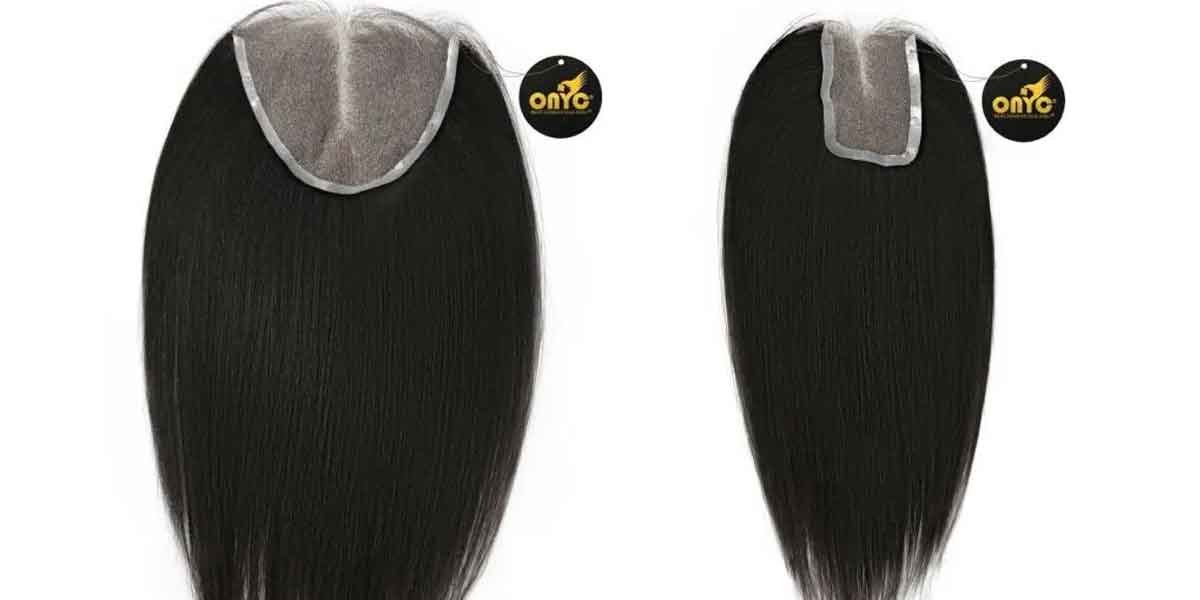
Hair extensions are getting hotter among individuals looking to add a natural look or variety to their styling. Among them are the lace frontals and closures. While both solve similar problems of making our hairstyles look seamless, they differ in size, application, and flexibility! Knowing these differences can help folks find the best one for what they need to style. In this post, we discuss what lace frontals and closures are and their advantages.
Table of Contents
What Is a Lace Frontal?
Stylists frequently use a lace frontal to create a natural-looking hairline. A lace frontal is a hairpiece that is placed along the front hairline from ear to ear. The size is typically around 13 across and 4 from front to back. The natural-looking scalp is through a lace base, which means parting wherever you like. Many individuals opt for lace frontals because they provide a natural-looking hairline and are versatile. They are ideal for people who like to wear their hair in a ponytail or part it in different ways.
What Is a Closure?
A closure is a smaller hairpiece, usually 4 inches by 4 inches or 5 inches by 5 inches. It involves a specific area at the top or front of the scalp, typically at the natural parting. Unlike a frontal that goes from ear to ear, closures give a natural-looking scalp appearance. This option is ideal for individuals seeking a more polished, classic appearance with a lasting style. Closures are a popular choice for their versatility and ability to blend in with your natural hair.
Size and Coverage
The main difference between the two is size and coverage. Full lace frontals extend from one ear to the other. The wide coverage makes for easier styling—side, middle, or deep part! A closure gives coverage only at the crown or a particular part of the head. The closure reduces the number of possible separation styles but offers a very natural, neat finish for simple styles.
Styling Versatility
Lace frontals excel in styling versatility. With a frontal, one can easily tie their hair into a ponytail, bun, or even braids. It has a bigger lace area that allows for different parting options and simulates a natural hairline across the front of the hair. Closures, on the other hand, restrict styling to the area they occupy. Based on the construction, they are more often arranged in a fixed part—center, side, or three-part.
Installation Process
To achieve perfect results, both the lace frontals and closures need to be installed with precision. In most cases, frontals are more time-consuming and skill-intensive because of the size of the property and the requirement to lay the lace from ear to ear. A professional installation can mean sewing, gluing, or taping the piece in place. Because they are smaller, closures are usually easier and faster to install. Closure wigs are more manageable for most people, making them a great option for wig beginners.
Maintenance and Durability
Maintenance is what makes both last long. The larger lace area and the fragile nature of the hairline make lace frontals more prominent but also require more maintenance. Keeping the lace clean and treating the hair with care will allow both the lace and the hair to last. Closures are smaller in size and can be easier to care for in the long run, offering more hours of operation than their rounder counterparts when properly cared for.
Conclusion
This is why they are a viable option to have natural hair ends with extensions. I would say both the lace frontal and the closures work well for natural-hair style results. Which is the best option really depends on individual styling preferences, budget, and desired level of maintenance. By comparing these two solutions, anyone can choose with confidence based on their needs.