
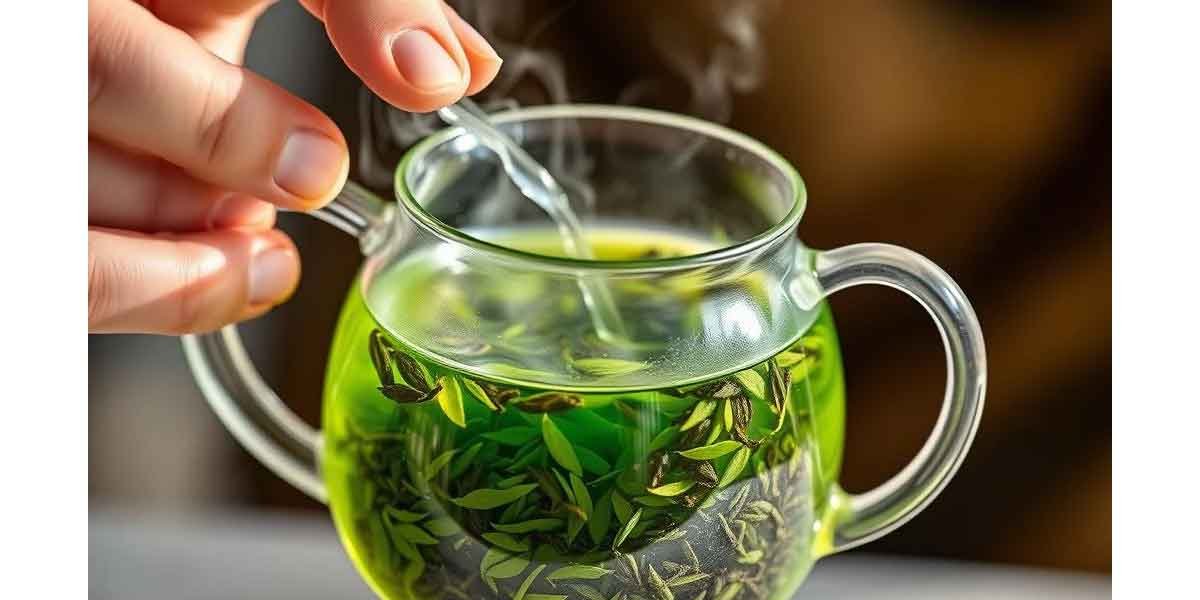
Green tea has gained widespread attention for its refreshing taste and health benefits. Good loose leaf green tea is an epiphany in refreshing, but not all green teas are created equally. Not only do two teas look alike, but once infused, they can taste so diverse.
Selecting good loose leaf green tea requires attention to detail. Many factors influence the quality of the leaves, each playing a unique role. This article explains ten key markers that help tea lovers recognize superior loose leaf green tea.
Table of Contents
Leaf Appearance
Quality initially is suggested through visuals. Fresh green tea leaves of high quality show a consistent shape as well as size. The finest leaves shine brightly green and animated in color. Cracked or yellowed glass suggests a lower grade and improper handling. Uniformity of leaf color generally means that careful harvesting and processing have been employed.
Aroma
The aroma tells a great deal about the tidiness and quality of loose leaf green tea. High-quality green teas have a clean, grassy aroma with vegetal or floral notes. Odors that are faded or musty may indicate old stock or poor storage conditions. The bright scent guarantees the herbal oil and values in the tea remain natural.
Texture of Dry Leaves
Even the texture of the dry leaves is significant. A premium loose leaf green tea should feel smooth but not mushy when touched. The leaves should not crumble easily or be too dry. A leathery or limp texture can indicate improper drying and prolonged exposure to humidity.
Origin
The quality of green tea depends on the region where it grows. There are specific parts of the world that are perfect for tea because of their climate and soil. Therefore, leaves coming from famed places have a more sophisticated taste. Buyers can learn what to expect from their tea by checking the region of origin.
Plucking Standard
Green tea of the highest quality derives from young shoots. The top-notch ones include the flower and one or two leaves that are still young. This specific, meticulous selection ensures that the lamb is both tender and has a subtle taste. Leaves aged more maturely can produce bitterness in the cup.
Processing Method
The characteristics of green tea are a result of its processing methods. There are two main tea processing techniques: steaming and pan-firing, both of which impart different flavor notes to the finished tea. Typically, the steamed leaves are bright in color and retain some grassy notes. The leaves of pan-fired tea will perhaps exhibit a sort of burnt aroma. This approach allows for matching tea to individual palates by considering the different processing methods.
Infusion Color
The liquor’s color after brewing is a telltale sign of the leaves’ quality. Bright yellow-green or light jade color indicates fresh storage conditions. A cloudy, lackluster, or brownish coloration shows age or mishandling. The key takeaway is that in all those infusions, the color was consistent, which is a positive sign.
Taste Profile
The most immediate quality indicator is taste. High-quality loose leaf green tea is clean, vibrant, and balanced. It should taste somewhat sweet, but with a soft touch of astringency. Intense bitterness or blandness can indicate improper growing, storage, or age. It’s also good to taste before you pick your purchase, of course.
Leaf Expansion After Brewing
Upper echelon leaves restore their original shape once steeped. Leaves without cracks, fully open reveal careful handling in production. If the leaves are broken, scant, or fragmented, then it was a machine process or a rough industry. The open leaves a few minutes after brewing provides additional evidence of quality.
Packaging and Storage
And last but not least, packaging is extremely important for improving quality. Always store loose leaf green tea away from light, humidity, and strong smells. Use airtight opaque containers for the best freshness. Clear or loosely sealed packages expose the product to elements that break down flavors. It is therefore advisable to check the packaging before purchase to avoid disappointment.
Conclusion
Picking out good-quality loose leaf green tea requires a careful eye and waiting around. Everything, from the appearance of the leaf to how the tea is packaged, serves as a quality marker and adds to the overall value of the tea. All of these details matter in providing a satisfying cup each time. In selecting tea for everyday use versus special events, many indicators help tea enthusiasts choose with confidence. A fuller, more enjoyable cup of tea results from careful consideration.