
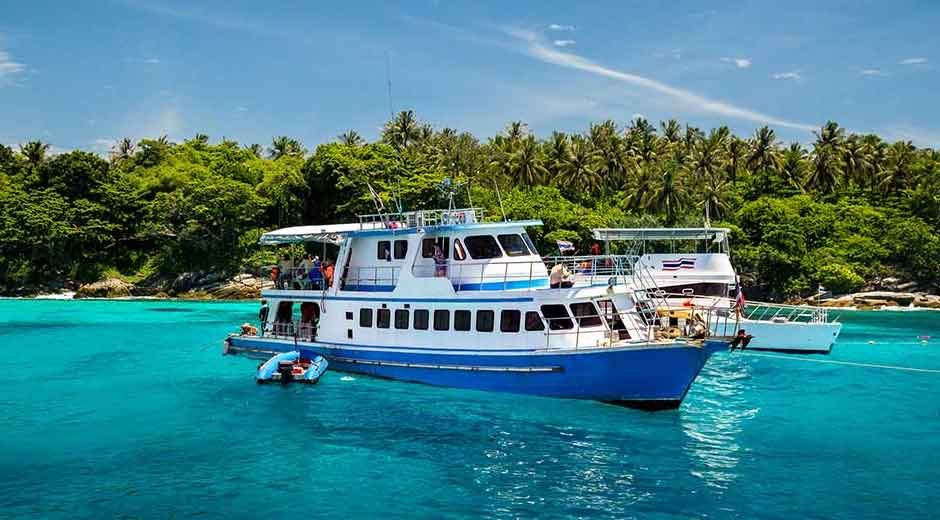
A successful liveaboard dive trip starts with smart planning. By sorting out your key needs early—everything from logistics to timing—you can avoid last-minute complications. Here’s how to plan unique liveaboard dive trips.
Table of Contents
Route Mapping
The planning process begins with choosing preferred regions and mapping a route that meets your diving requirements. Destination choices should account for seasonal factors that influence visibility and sea conditions. By outlining your route early, you can compare itineraries across different vessels and select one that fits your ideal trip length.
Review how you’ll get from the arrival airport to the boat’s departure point, including transfer times, transport options, and any overnight stays you may need. Check local diving regulations for each stop, such as permit requirements and depth or equipment restrictions, to make sure your itinerary is compliant. A well-organized route map provides a dependable framework for your liveaboard dive trips.
Vessel Selection
Selecting a vessel requires comparing its layout, capacity, and onboard amenities in relation to the activities you have planned. Confirm that the cabin arrangements provide enough room for dive gear and personal belongings, and review the deck plans to see whether the storage areas meet your needs. Divers should also check the compressor systems and available tank options to verify they support their preferred gas mixes or certification requirements. Review the vessel’s operating schedule — trip duration, turnaround days, and travel windows — to make sure it aligns with your itinerary. Careful evaluation of these factors helps divers choose a vessel that matches their objectives and available resources.
Gear Preparation
Gear preparation starts with a list of required equipment and verification of its suitability for the anticipated dive. Travelers should check the availability of rental facilities in case some of their items need coverage. Spares should be factored into packing arrangements in case specific components fail, such as straps, O-rings, and clips. Battery charging requirements must be checked to make sure the available devices perform effectively during the journey. Divers also need to check regulations regarding the transportation of sharp tools or pressurized components.
Timing Strategy
The timing strategy begins with an assessment of overall seasonal conditions at your destinations, including how weather, visibility, and occasional shutdowns affect diving feasibility. Planners also need to focus on the specific environmental patterns that can alter a route, such as a monsoon period that might limit access or a shift in prevailing winds that affects crossing conditions. Identifying peak travel periods in advance helps avoid crowded routes and preserves flexibility throughout the trip.
Travelers can work with reliable travel agencies to compare liveaboard itineraries and match them with their schedule. These agencies often have up-to-date information on vessel availability and regional operating policies, which helps refine the planning timeline. Consulting multiple operators can also reveal alternative departure dates or routes that better align with seasonal conditions.
Plan Your Liveaboard Dive Trips
Planning a liveaboard trip requires attention to routing, vessel selection, equipment needs, and timing. These elements verify that the itinerary is feasible and the vessel is suited to the planned activities. Book your liveaboard dive trips today to explore various underwater locations.