
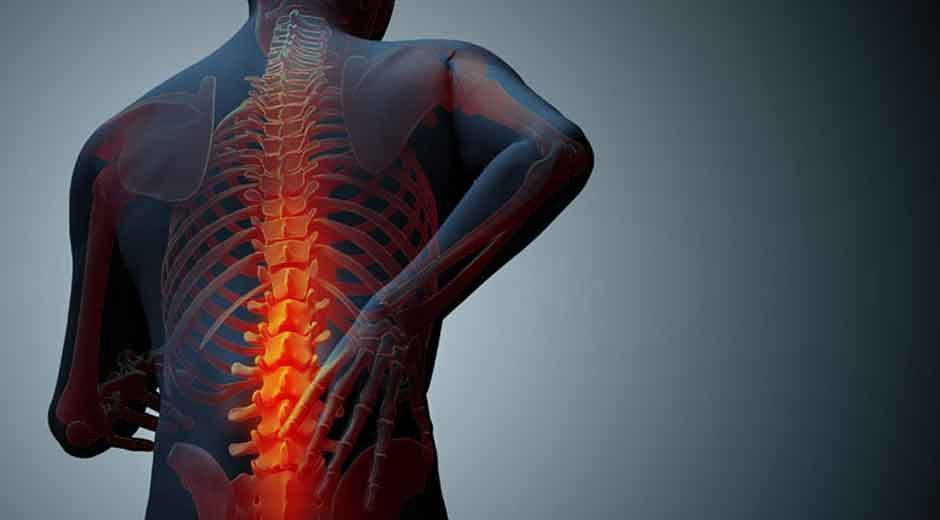
Spinal stenosis, a condition that causes the narrowing of spaces within the spine, can significantly affect the body. This narrowing puts pressure on the spinal cord and nerves, leading to symptoms that impact movement and overall well-being. While the condition is most common in the lower back and neck, its effects can ripple through other aspects of health. Understanding how spinal stenosis influences everyday activities and contributes to broader health concerns can better equip individuals to manage the condition effectively.
Table of Contents
What Is Spinal Stenosis?
Spinal stenosis occurs when the spaces within the spine narrow, typically due to age-related changes or other conditions affecting bone, ligament, and cartilage. This narrowing often compresses nearby nerves, leading to discomfort or pain in affected areas. The condition typically develops in the cervical (neck) or lumbar (lower back) regions of the spine.
Degenerative changes, including osteoarthritis, are a common cause of this condition. Other contributing factors include bone spurs, spinal injuries, or thickened ligaments. Symptoms often progress gradually, with many individuals first experiencing mild discomfort before more pronounced effects develop.
How Does This Affect Your Daily Activities?
Spinal stenosis can make everyday tasks more challenging. Reduced mobility is a common complication, especially in individuals with lumbar spinal stenosis. Standing or walking for extended periods may cause pain or numbness, leading to frequent breaks or difficulty maintaining an active lifestyle.
Individuals may notice changes in balance or coordination. This increases the risk of falls, particularly in cases where nerve compression limits sensation or strength in the legs. Over time, these limitations may affect independence, requiring adjustments or adopting assistive devices to complete routine activities.
How Can Spinal Stenosis Lead to Other Health Issues?
Living with this condition over time contributes to problems beyond the spine itself. Restricted mobility can lead to a sedentary lifestyle, which is linked to weight gain, decreased cardiovascular health, and reduced flexibility in muscles and joints. A lack of physical activity may also disrupt overall energy levels and contribute to feelings of fatigue. Compression of the spinal cord or nerves may also impact bowel or bladder function. This can be seen in severe lumbar cases. Managing such symptoms often requires close medical attention and tailored strategies to prevent complications or discomfort over time.
What Are the Long-Term Effects if Untreated?
Ignoring this condition over time can result in worsening symptoms. Nerve compression may lead to recurring pain, numbness, or muscle weakness in different parts of the body. For some individuals, the condition may progress to a point where everyday activities become difficult, requiring assistive devices like walkers or canes.
Some cases may result in permanent nerve damage. This can cause more serious complications, such as incontinence or severe mobility restrictions. Addressing symptoms early and exploring appropriate treatment helps preserve your quality of life and limit the risk of long-term impacts.
Consult a Specialist
If spinal stenosis is affecting your quality of life, seeking guidance from a specialist is a key step. Early evaluation can help identify the condition and explore strategies to alleviate its impact on daily activities and long-term health. To better understand your options for managing this condition or to learn about treatment approaches available, consult a healthcare professional for an assessment. Addressing symptoms promptly can help improve mobility, reduce discomfort, and maintain overall well-being.